

We risk designing the same things – here’s how I avoid It
Using the internet for inspiration is a double-edged sword. It gives us access to endless ideas, but when we all look in the same places, we risk falling into a creative void.

The internet makes us blind to originality
Have you ever wondered why new clients should choose you over the other 500 designers they could be working with? If you look and sound just like the rest, how do you stand out? Are you competing on price?! Forget it - that’s a race to the bottom.
You need to be distinctive. But have you ever truly asked yourself if you are?
Too often, I see designers striving to create work that’s universally “good” - meaning, work that aligns with what’s already considered good in our industry. We don’t necessarily celebrate the most original ideas, but rather the ones that fit neatly into what we expect good design to be.
We’re not all meant to be the next Philippe Starck, but we can work towards the best version of our own originality - which is what clients and audiences ultimately value.
And originality doesn’t mean being weird. It means refining a process that leads to the right amount of differentiation, while still maintaining an ethical and thoughtful approach to design.
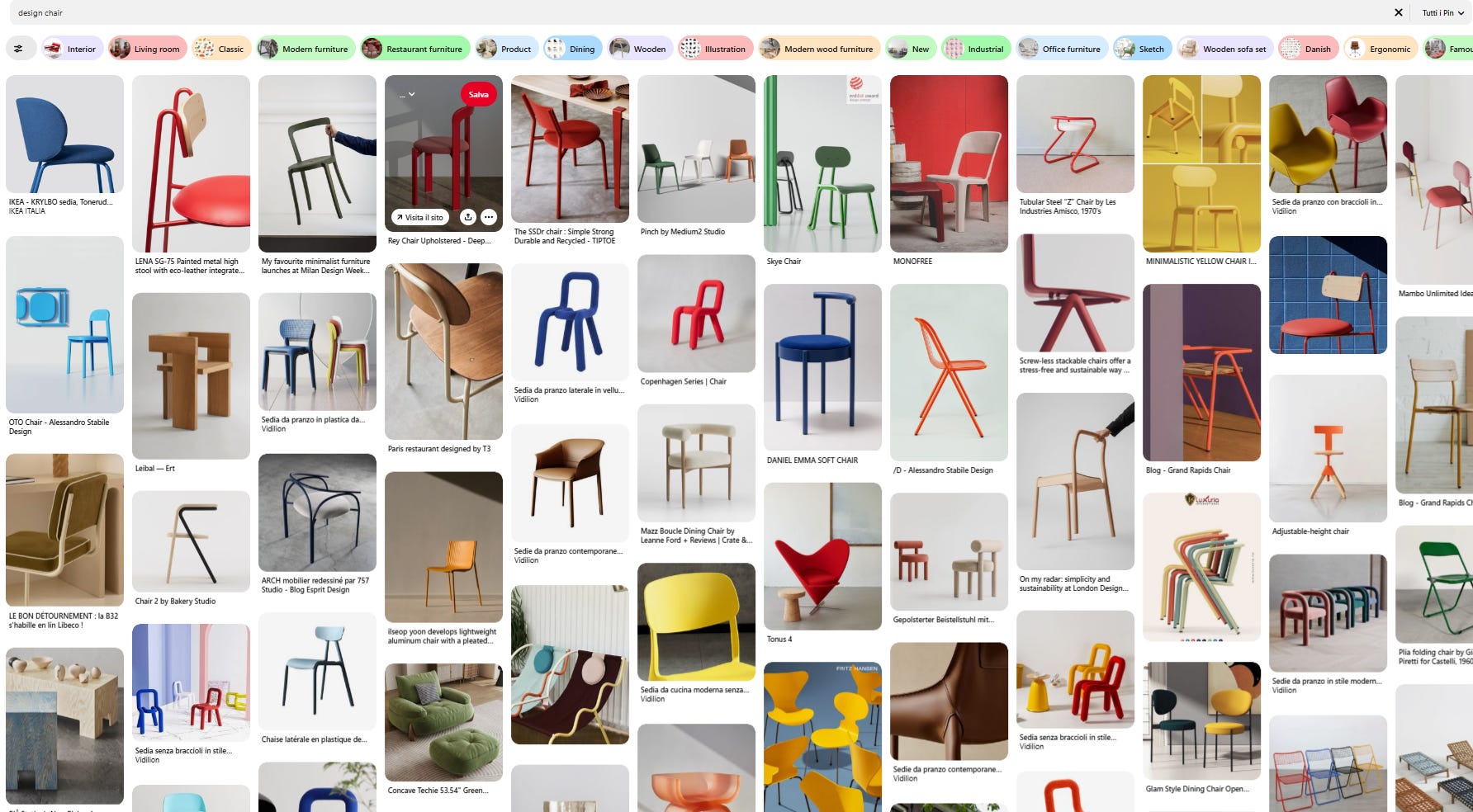
Even if we don’t realize it, we’re all part of a niche - and we tend to see the same things over and over.
The biggest design media platforms dominate social feeds. When a project goes viral, it appears on your Instagram, LinkedIn, Pinterest, and TikTok at the same time. The more you see it, the more it subconsciously becomes a reference point for quality.
I’ve never heard Ronan Bouroullec say, “I took inspiration from Pinterest.” But I hear that phrase all the time from small, anonymous studios.
There’s nothing wrong with finding inspiration online, but if you want to push your work even 20–30% further, you need to look outside the usual places.
Here are three methods I use when I need fresh inspiration.
1. Dig into old magazines
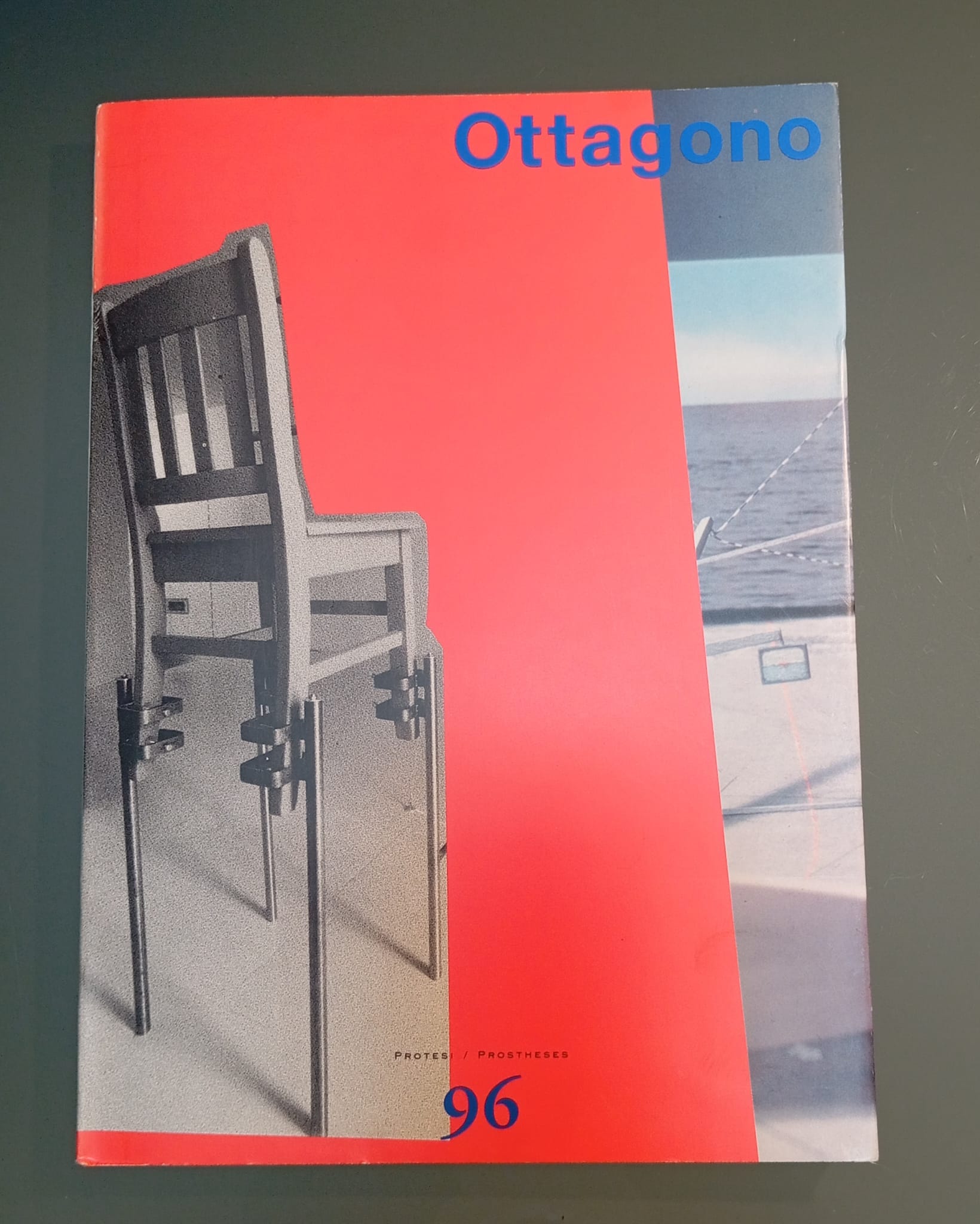
Old magazines are gold. They contain images and ideas you won’t find anywhere else.
New magazines are great, but if you’re an expert in your niche, you’ll often recognize trends and ideas you’ve already seen. Instead, go back in time.
I’m lucky - my parents collected Ottagono (an Italian design magazine that no longer exists). But you can find amazing archives in flea markets, Facebook Marketplace, or used bookstores.
A tiny design detail from the past can spark a completely new direction for a project today.
2. Visit a factory
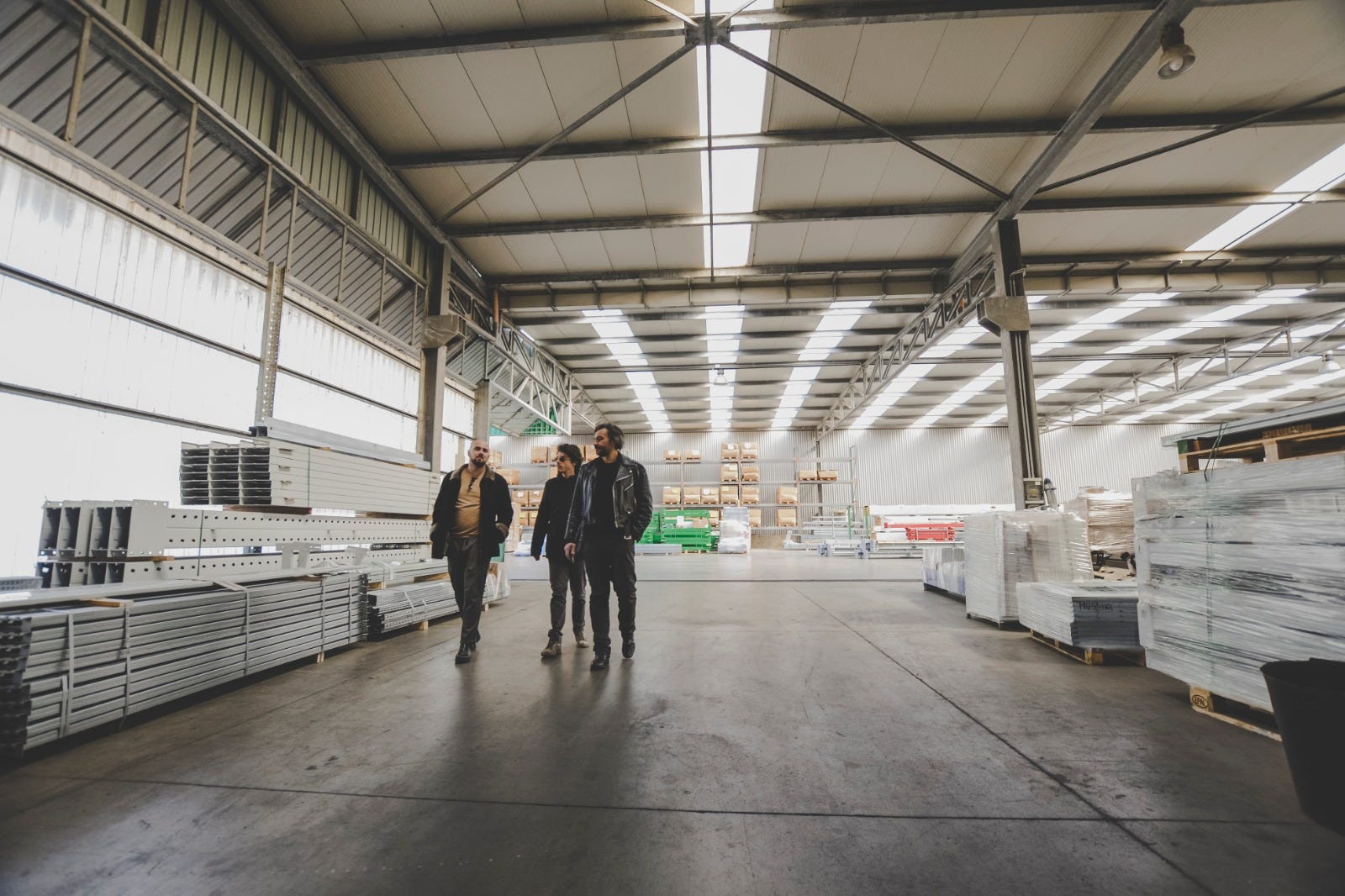
This one takes more effort, but every time I visit a factory or artisan’s workshop, I discover new ways of shaping materials.
Manufacturing processes are full of unexpected gestures - simple movements or techniques that can lead to new forms and functions. Sometimes, just seeing how something is made can inspire a breakthrough idea.
3. Prototype - even when you don’t feel like it
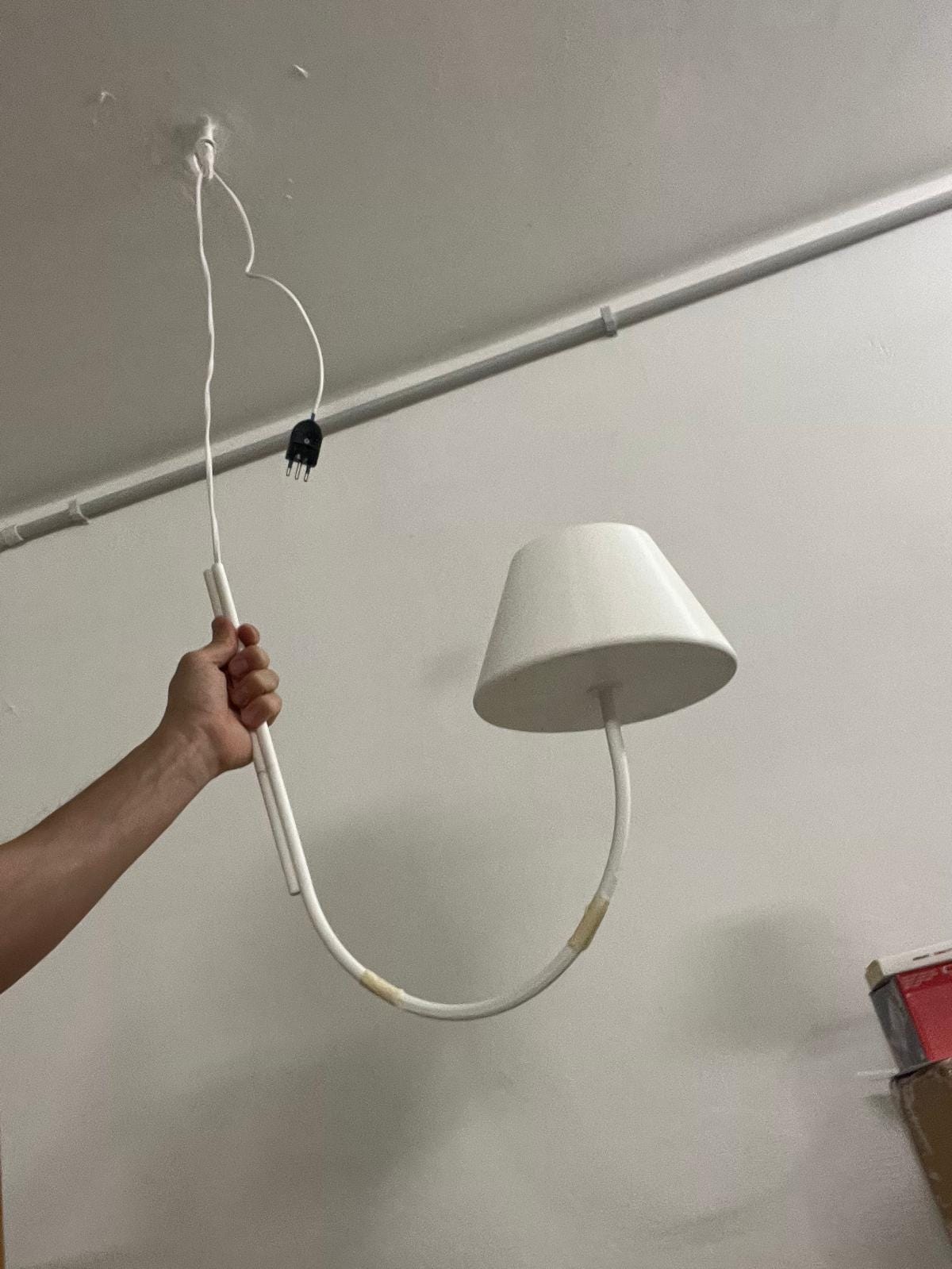
It sounds obvious, but prototyping is one of the most inspiring things you can do.
If you feel stuck or uninspired, build a rough, physical model. Seeing your idea in real life reveals what’s working and what’s not—and trust me, that will ignite your creative thinking.
Don’t be lazy - especially if you don’t have a boss forcing you to do it.
Your support is important, don’t forget to put a ❤️ at the end of the page.
Studio life
Busy days, lots of travel. This time I’m in Vietnam for a furniture fair.
Before leaving, I finished the concept page for my new chair project (remember, the one I’m documenting as a case study?).
To put it brutally, I cut the backrest off a monobloc chair and replaced it with a rough wooden backrest. The goal is to combine materials to allow for customization. The base is injection-molded, while the rest of the chair is built with metalworking and woodworking techniques.
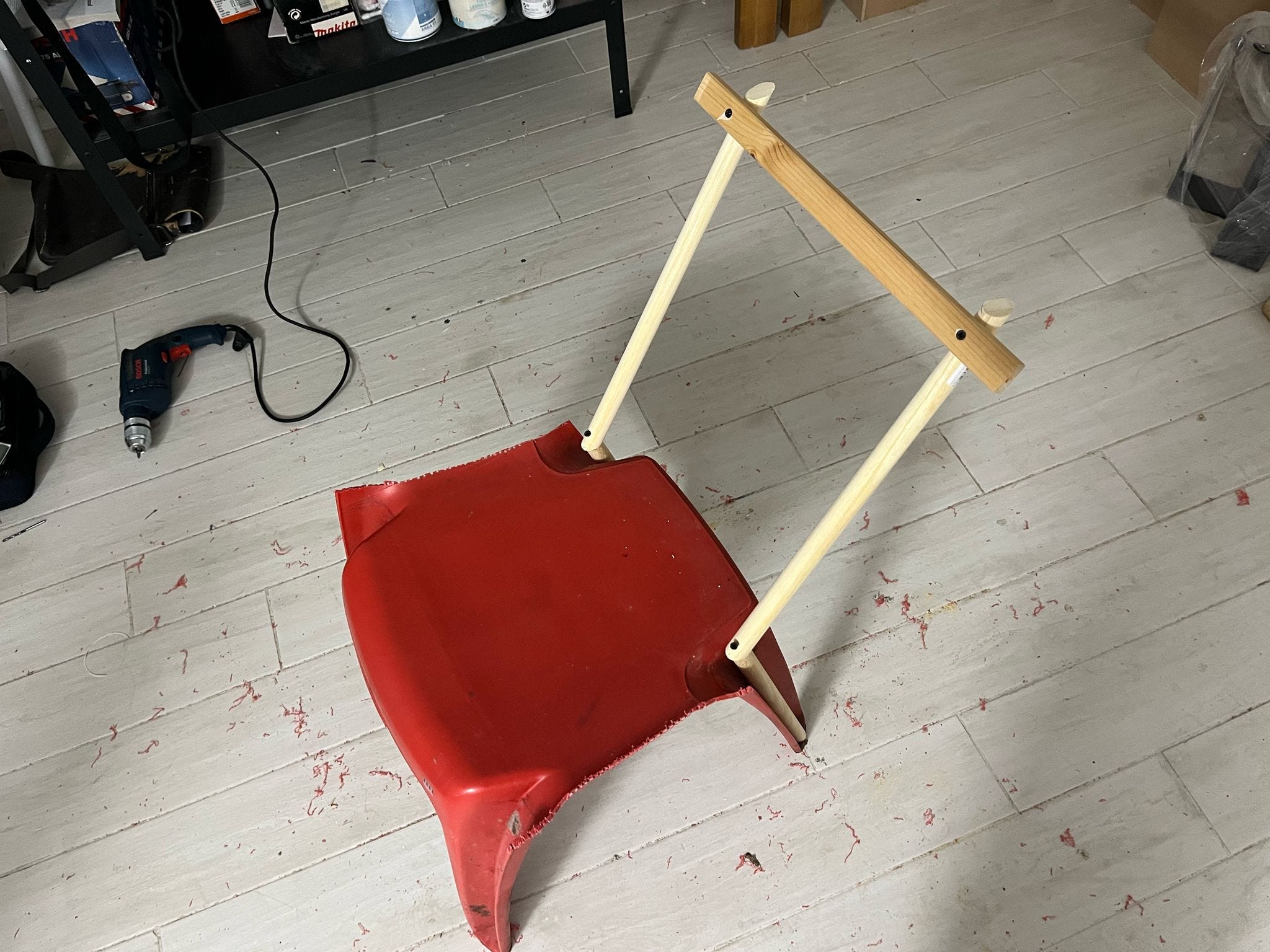
For this first low-fi prototype, I used wood instead of metal for the structure - not because I want it in wood, but because I don’t want to invest in metalworking until I finalize the design.
Now that I’m traveling, I might not have prototyping updates in the next newsletter, but I’ll try to share the next steps of this project, even while I’m out of the office.
Things to read
I’m shifting how I collaborate with Design Wanted. Instead of random articles, we’ve defined structured themes for 2024.
The first theme? “Design Theory”—analyzing how designers develop lasting processes and why their work remains relevant over time.
I’ve written an introduction article explaining the concept. In the coming weeks, I’ll dive into specific case studies.
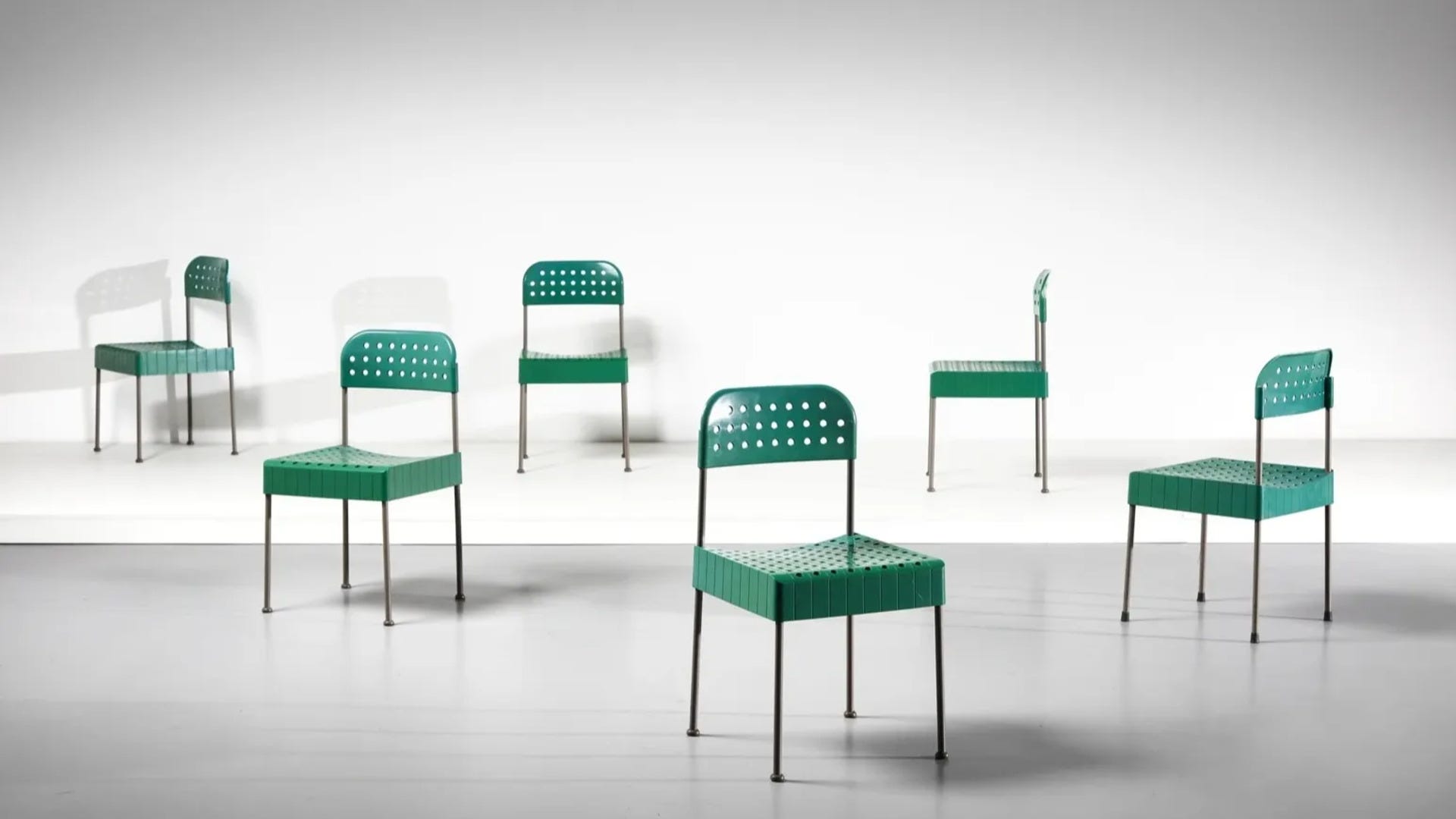
A design I like
Donald Judd’s work fascinates me.
I would never sit on one of his chairs. But at the same time, I have immense respect for what he created.
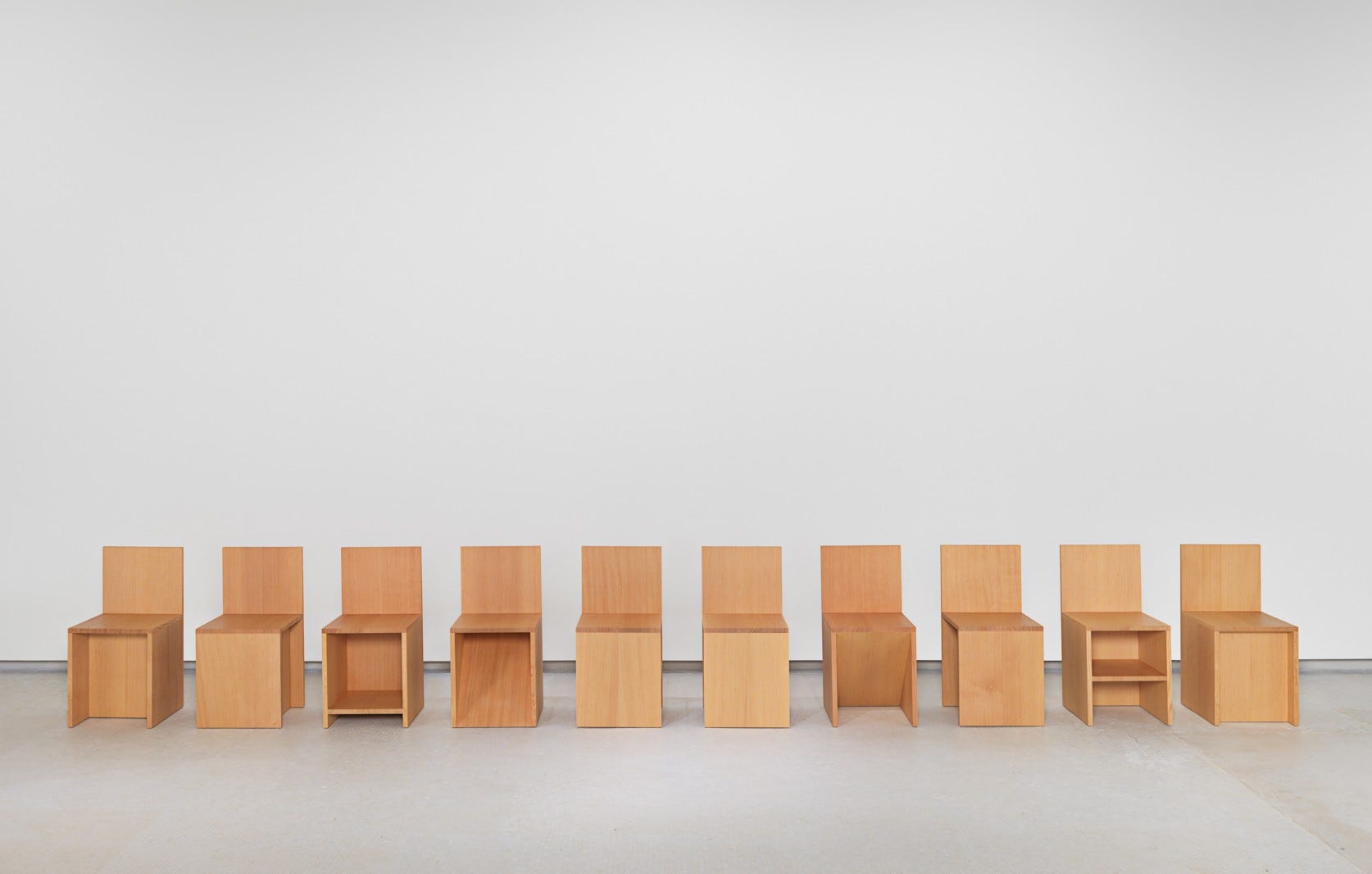
Judd’s background wasn’t in industrial design - he came from minimalist art. This gave him the confidence to break rules in a way most designers wouldn’t dare. He made furniture that was uncomfortable because his work was about the exploration of form, usability wasn’t the focus.
Artists experiment openly and share everything they create - sometimes a piece becomes wildly successful, sometimes not.
As designers, we often hesitate to share our work, we fear judgment, or that our ideas might be stolen. But maybe we should embrace that openness and see if our path It has some surprises in store for us.
📣 Please join me in spreading the word—not only to share these insights, but also to inspire others to do the same.
The more of us there are, the better it is!
Cheers!
Mario
In case someone has forwarded this email to you, subscribe and join the community of Designer From Nowhere.
Thanks for you point of view Mario. lately its hard to find originals designs, and I totally agree with you, that looking through old magazines is a great way to get inspiration.
Could not agree more - visiting factories or production spaces is one of the most valuable things we can do as designers. Growth mindset 👌