

How much should a designer NOT know about construction.
If you already know how to build it, are you still designing or just repeating?

The first question you get when showing a concept to a friend or a colleague awakens the spirit of critique.
Instead of asking about your inspiration or vision, they ask: “How is it built?”
And if you reply “I don’t know”, we suddenly have a problem.
How can I explain that to a potential client?
Are we sure that not knowing how to build it is really a problem?
Are you failing as a designer - or actually exploring new paths?
Let’s explore whether it’s a pro or a con to know (or not know) how to build an object when you’re designing.
The maestros example.
If you read some of the most interesting design stories from the ‘80s and ‘90s, they all share a similar pattern: people of action.
Designers who built things themselves, exhibited their work, found labels, got famous, and got rich. Easy plan.
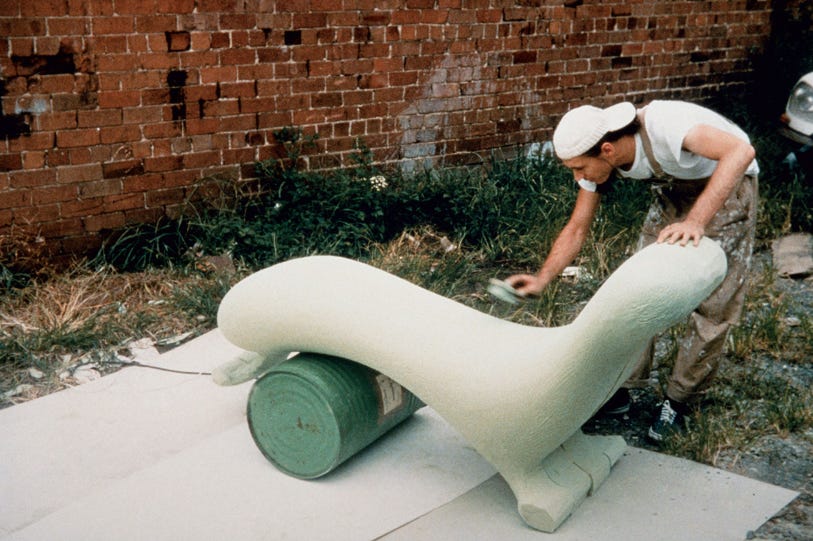
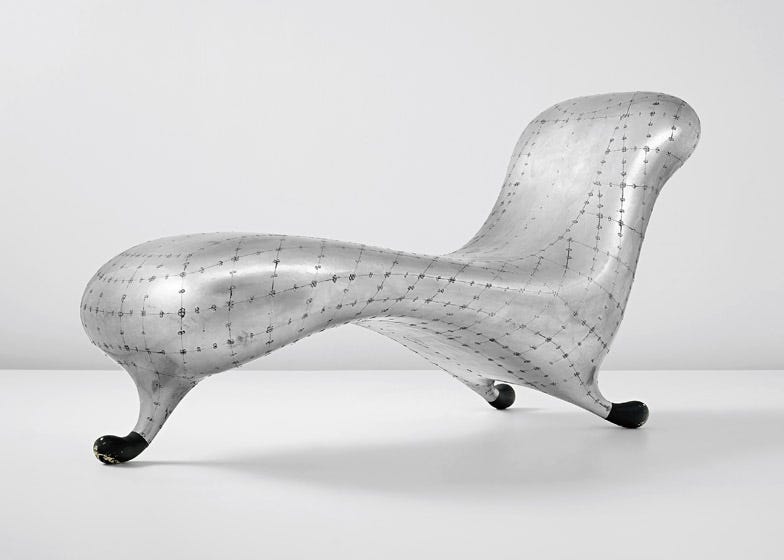
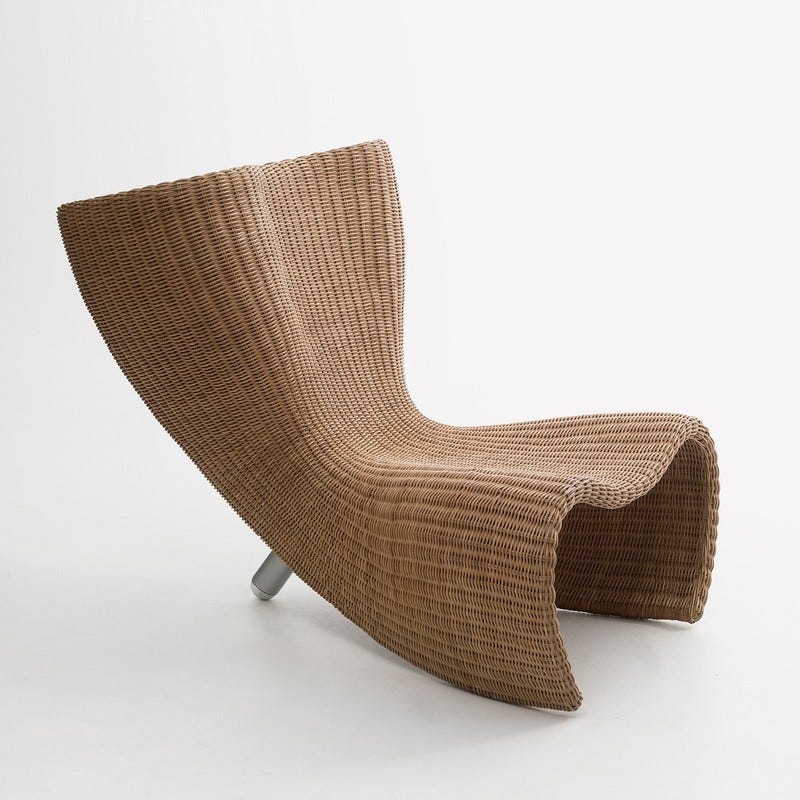
Think of Marc Newson, building the Lockheed Lounge in 1986 - a metal seat made with aluminum cladding over a fiberglass shell.
If he had asked a company to produce it, they would have laughed. Probably they did the first time they saw it.
But they couldn’t expect that piece to launch one of the most brilliant design careers of all time.
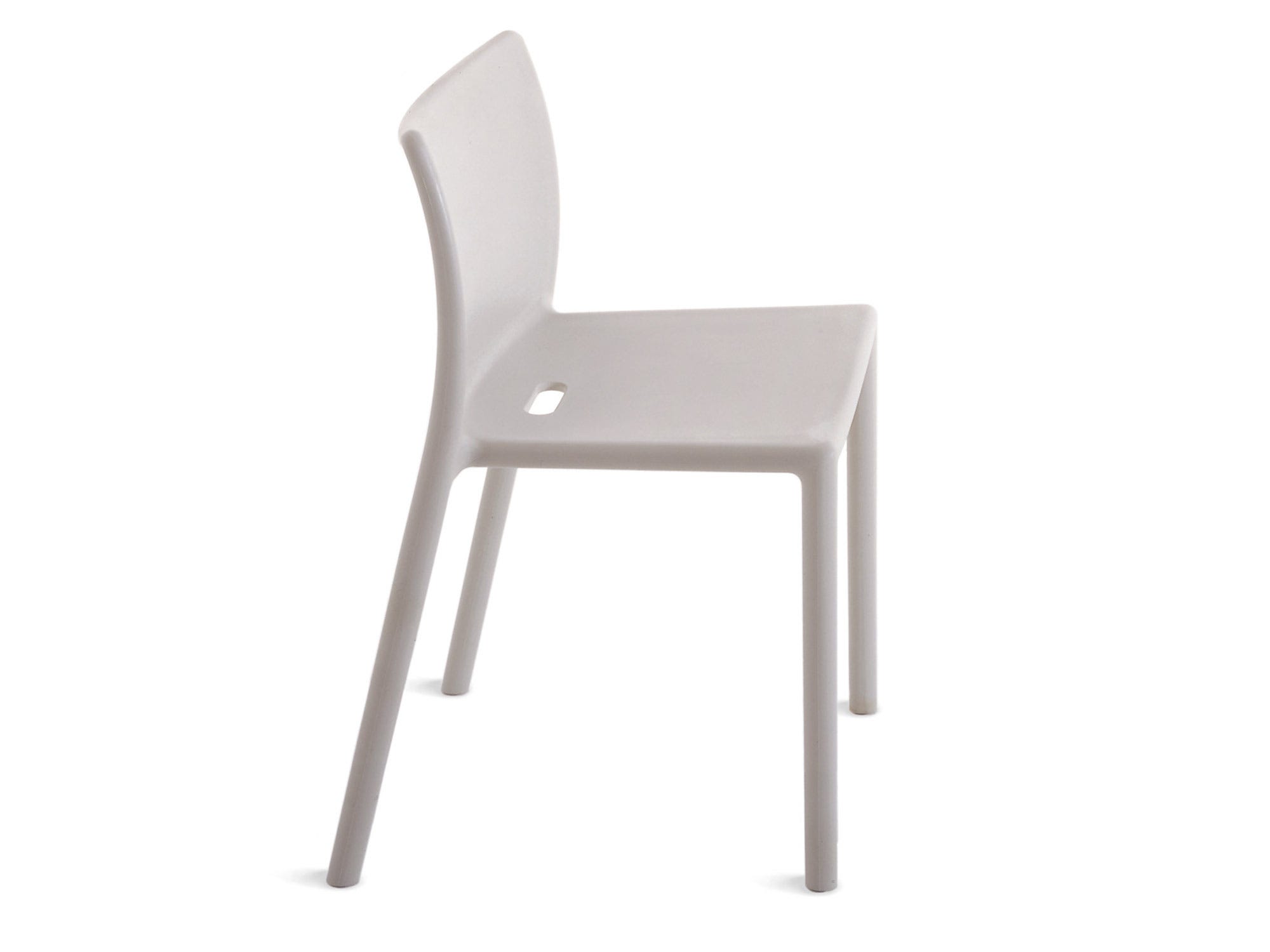
Or Jasper Morrison and his Handlebar Table, made that way because it was “a product requiring minimal machining or manual labor to produce.”
So he took a handlebar, some wood, and some glass - and made a masterpiece out of almost nothing.
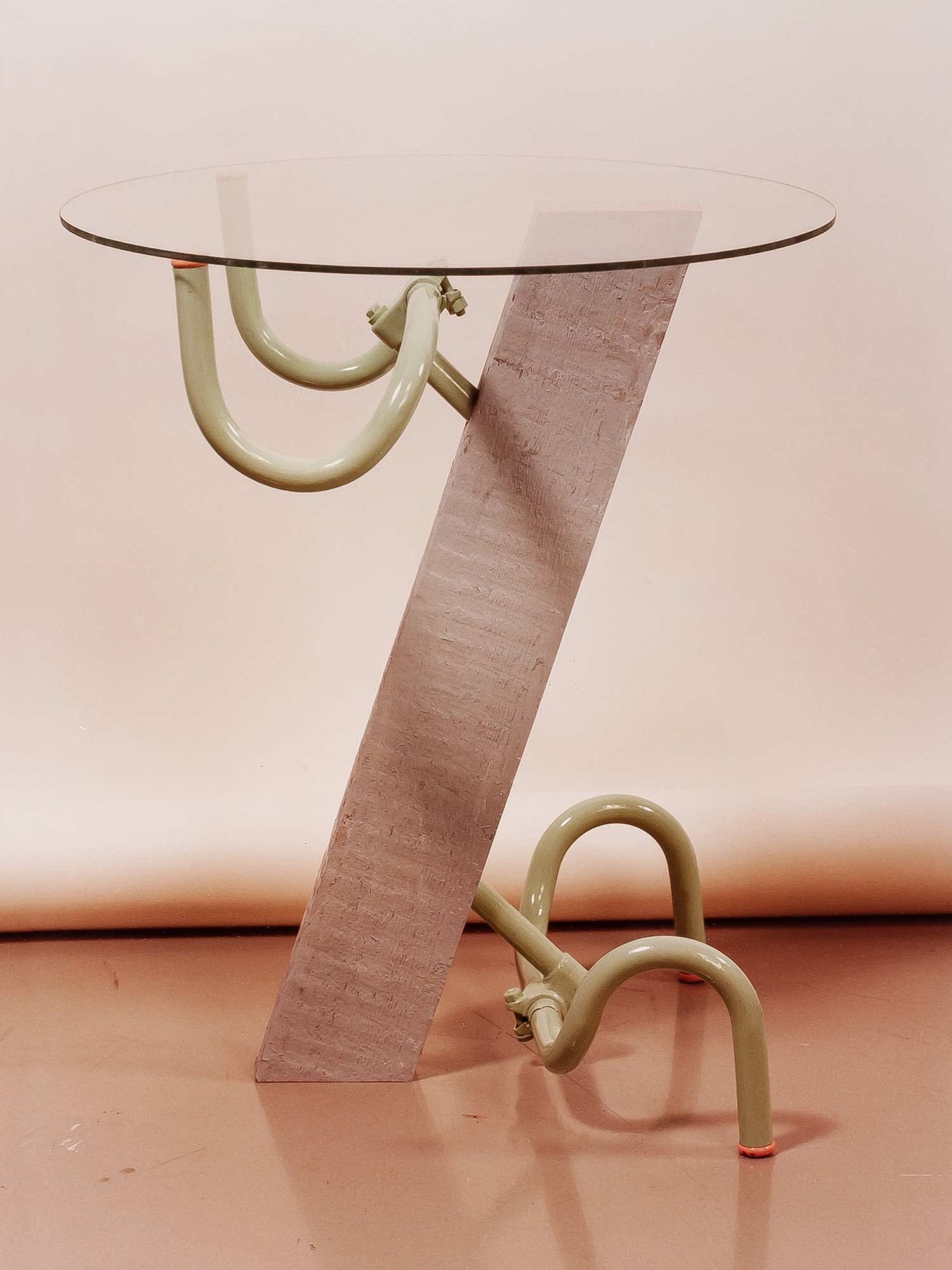
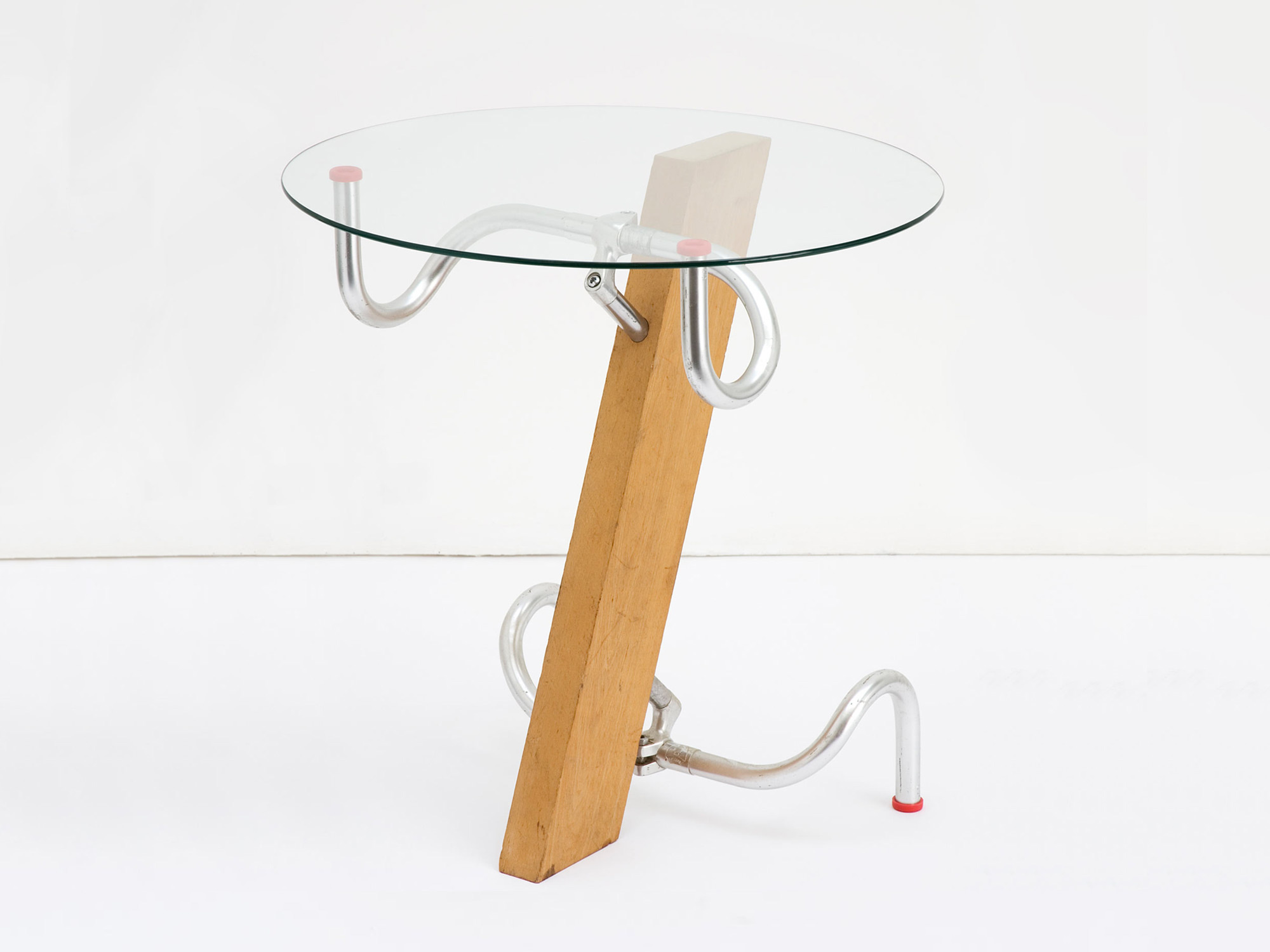
If Newson had made his piece in wood and upholstery, or Morrison with four metal legs, design would probably be 30 years behind today.
Self-production - easy job, you would say.
But that was what opened the doors of important labels who later asked them to apply that mindset to mass-produced products.
The products that later entered the market for mass production came to life because companies wanted their approach, not their products.
It wasn’t about the result - it was about the path.
So, what’s the answer? Is it important to know how to build a chair when you design one?
Should I know where the screws go?
Unfortunately, it depends - but it’s more of a yes than a no.
It depends on whether people expect you to follow rules or break them.
People are attracted by what they already know - like pop music, a catchy sound that sticks instantly.
For labels, that’s easy money, born from standard processes they can replicate.
Breaking the rules, instead, requires a cultural approach - both in art and in craft.
A case study
When I designed Archetype-A, making a reclining backrest with no visible screws required a lot of flexibility, because chairs simply weren’t built that way.
So during the pitching process, I often heard:
“We don’t have time to explore this.” or “It looks impossible.”
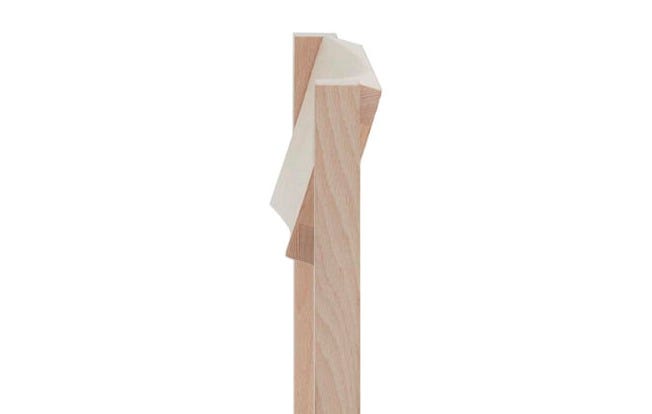
But the chair exists today, in production.
Because I believed it could be done - even though I wasn’t a chair-construction expert at the time.
And that helped: my mind could imagine things that were outside the manual of the perfect chair.
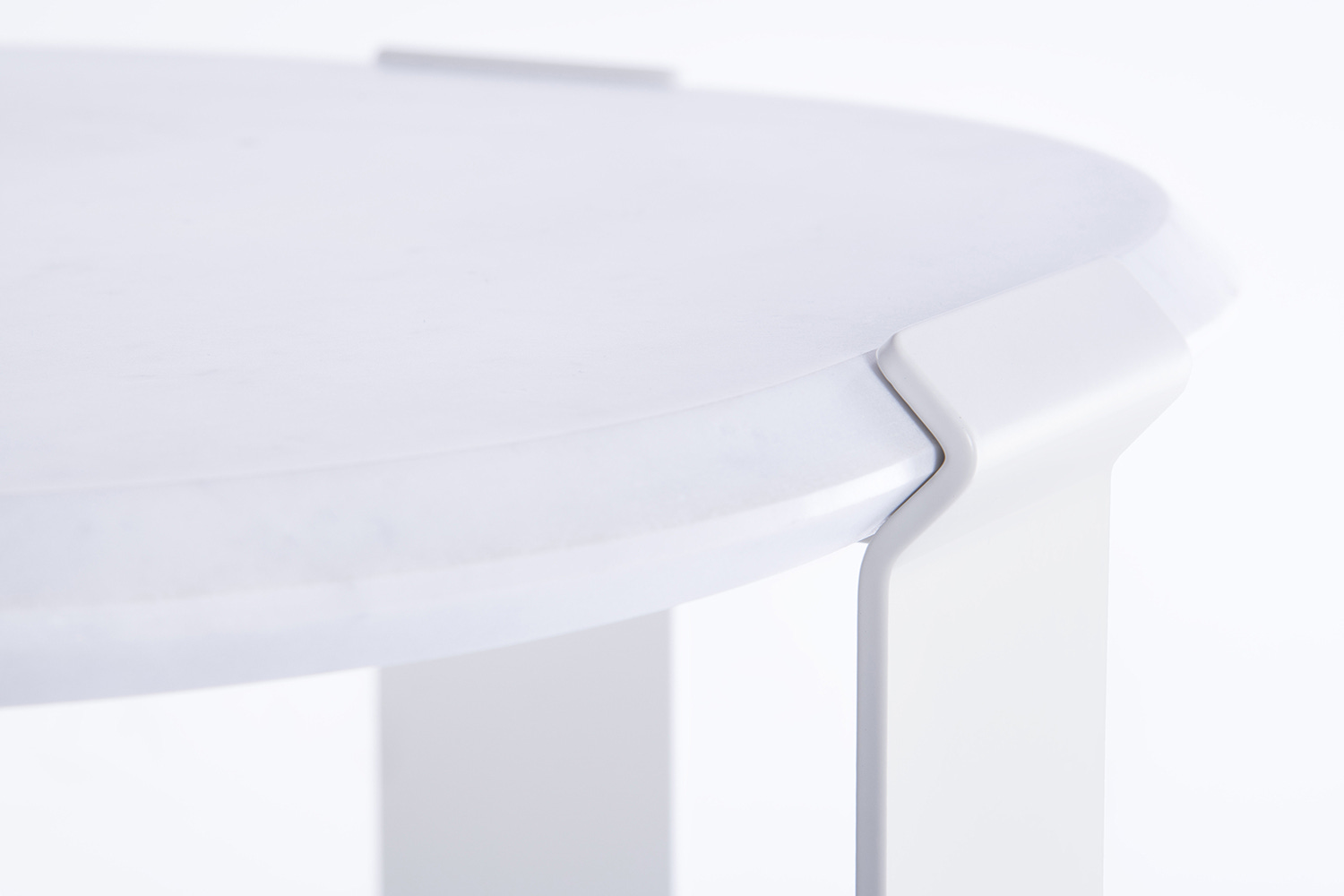
The same happened with Carati Table, still a project in my drawer.
It looked impossible to my prototype maker - but we did it.
It was just another way of building things.
If Cini Boeri had thought too much about “how” before creating her glass chair, she might have never done it.
It’s fragile and complex, but FIAM made it - and it became a design icon.
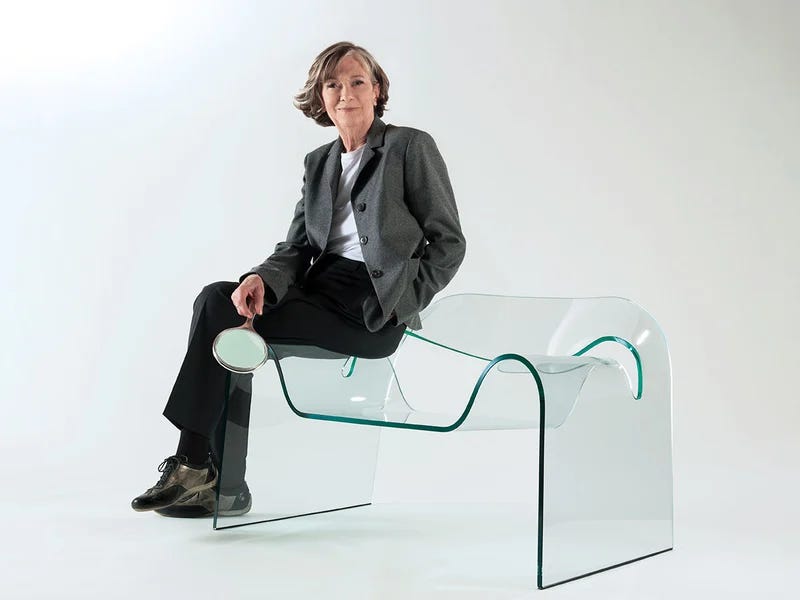
Knowing how to build things is indeed a must, but not to repeat the same formula - four legs and a backrest.
It’s about knowing which rules to break, even when the outcome isn’t meant to become an instant icon.
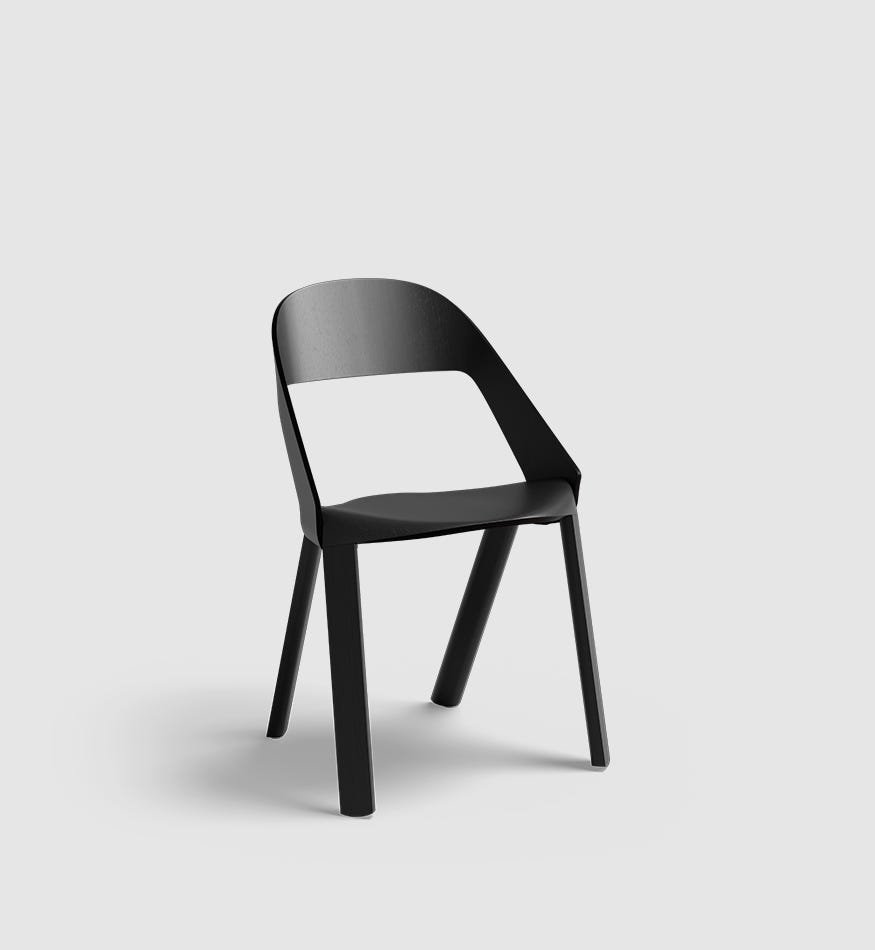
Recently, I came across the Rove Wooden Chair by Jörg Boner for De Vorm.
It explores plywood in a unique way - subtle but impactful in construction, lightness, and character.
It could have been just another standard plywood seat on metal legs,
but it would have been lost among the hundred million others.
Laws are made to be broken.
Know the design laws to know where to strike.
Did you like this release? Leave a like and let me know your opinion in the comments.
And don’t forget to share it with someone who’d enjoy these reflections - or who might want to use this platform to promote their service, award, or initiative for the design community.
STUDIO LIFE
A bit busy these days finishing projects before November, when I’ll be in China teaching at Sichuan Normal University - but still working with lamps.
Lab work
I’m testing the diffusion of a 12W single LED. I have an idea to revive a project that’s been in my drawer for a while, and I want to make it real through a prototype.
I’ve already shown the concept to some friends, and once again, “this can’t be done” seems to be the most popular sentence.
Let’s prove them wrong again.
I really miss the kind of entrepreneurs we had years ago - those who invested in research and paid studios to push closer to the future.
Strategy
I’m also planning for the new year: social media and finances.
My social posts are scheduled until the end of the year, but I’m deciding whether to invest more in Instagram or leave it as it is.
It’s good for awareness - we all know that - but I’ve seen a few cases where it actually helped connect with new clients, so I’m wondering if it’s worth putting in more time (and money).
Do you know any underrated successful Instagram cases? Please, not the usual names - send me a message.
Next comes budgeting for 2026. I’ll make some small tweaks to last year’s plan. Still debating whether to release a digital budgeting tool for designers or keep it to myself.
Leave a ❤️ if you think I should share it.
THINGS TO KNOW
Furf Design Studio on Design Wanted
Together with Design Wanted, I’ve just released the first article of the Design Models series - a project where I talk about design not only through shapes, but also through the business behind them.
Designers are really excited about this series, and I’m starting with Furf Design Studio, two brilliant Brazilian designers based in Milan.
Have a look - click on the image to read the article.

Inspirational podcast
People have always told me that Rick Rubin is a genius.
I didn’t realize it, but I’ve basically listened to every rock and metal album he’s produced.
He has some powerful thoughts on creativity - and even if he looks like a holy man and sounds a bit too inspirational for my taste, what he says is truly relevant.
A design I like
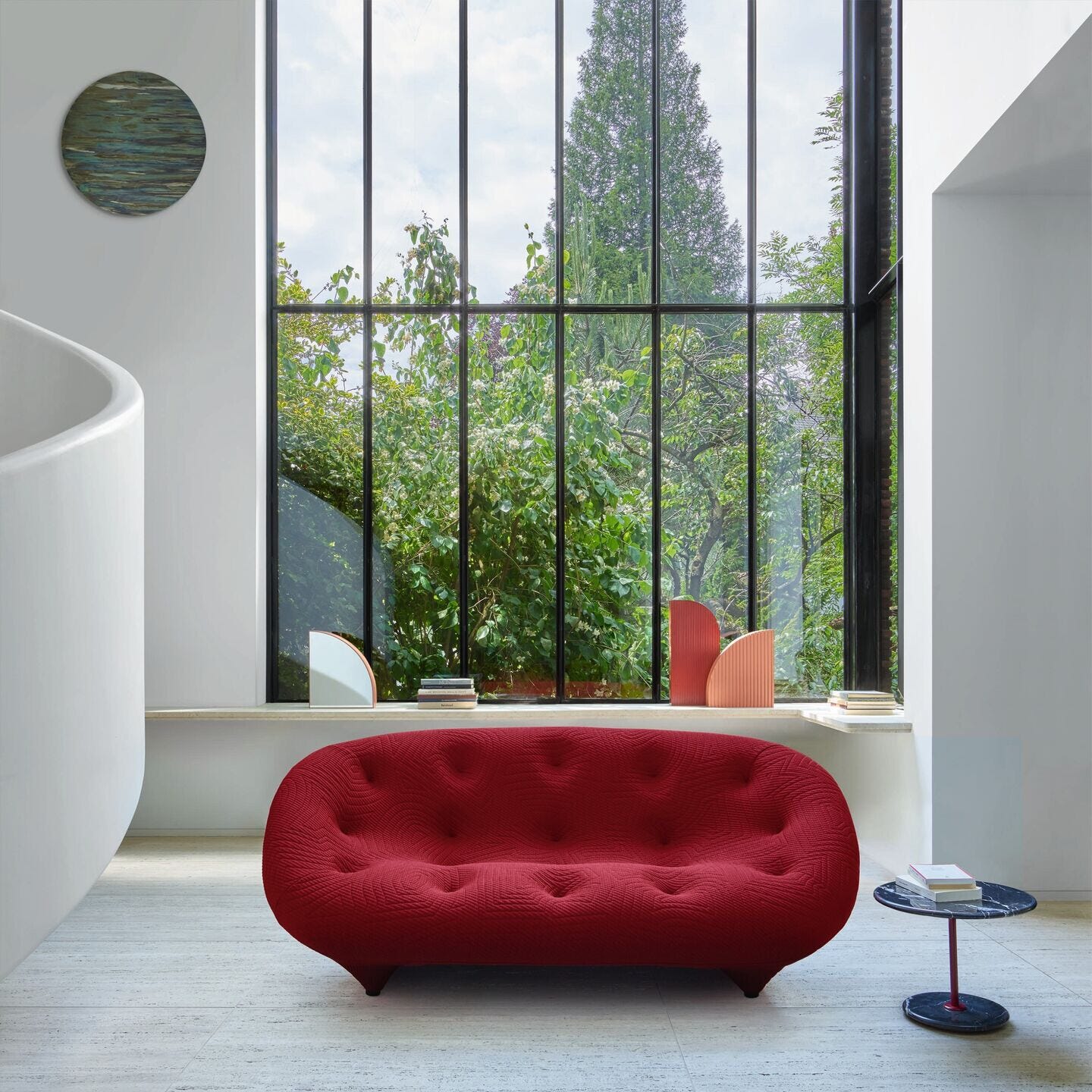
We often take this sofa for granted as designers, but it’s a masterpiece with very few equals.
Ploum, by the Bouroullec Brothers (I miss the time they designed together), combines comfort and form in a way that’s almost impossible to replicate.
The first time I sat on it, it felt like the most comfortable sofa I’d ever experienced.
Iconic, soft, and simply perfect - there’s really nothing to add.
This newsletter is supported by:

Don’t forget to show support, like and share!
And in case someone forwarded this to you:
With love,
Mario
PS: if you want to talk / collaborate / advertise, send and email to info@marioalessiani.com
Really love this article. I tell my design team that they should know enough to design but not too much like an engineer. For that often stifles creativity. The designer should be be able to show the path, not know every bump on the way!
Another great update and love this question! “this can’t be done” is my favourite thing to hear to be honest as it usually signals something exciting... if it can be done.