

Avoid design misunderstanding
A great design must be communicated very well - at all levels - to be fully appreciated. Otherwise, it risks being misunderstood by colleagues, clients, and the audience.

When a new product by your favourite brand or designer comes out, you get excited (me too). In that moment, we experience it purely as an audience. The language used to communicate that project works because it’s designed exactly for that audience. Otherwise, we wouldn’t feel anything.
Every project can - and should - be told using different languages, depending on the situation. The audience changes, and so does the phase of the project.
Many of you may already feel confident with this topic. For me, it took time to really understand it. In my early days, I used the same language for everyone: clients, designers, customers. Journalists and bloggers were excited to share my projects, but communicating that same value to a client was painful.
The project was good, so why was it easy to talk about it with an art director, but complicated with a marketing director or a CEO?
Simple: I was a tourist. I had an intention, but I was speaking a foreign language.
Different audiences, different languages
Design doesn’t fail because it’s wrong.
It often fails because it’s explained in the wrong way.
We tend to assume that if something is clear to us, it should be clear to everyone else. That’s almost never true.
Understanding who you are talking to - and why - is already part of the design process.
Before the object exists
You can design a perfect cube because, for your design manifesto, it’s the right thing to do.
But if clients, collaborators, or teams don’t understand why six perpendicular walls with sharp edges make sense for their goals, the project will fail, even if, in theory, it’s the best possible solution.
In that case, you need to change perspective.
You don’t defend the cube because it’s “pure”.
You explain why it works.
For many years, I was minimal by ideology. It was the right thing - for me.
Not necessarily for them.
If something looks too simple, detailing the process becomes a tool. Daniel Rybakken once explained this to me during an interview, and I fully agree. If a choice is right, you must articulate it using a language that allows the person listening to fully perceive its value.
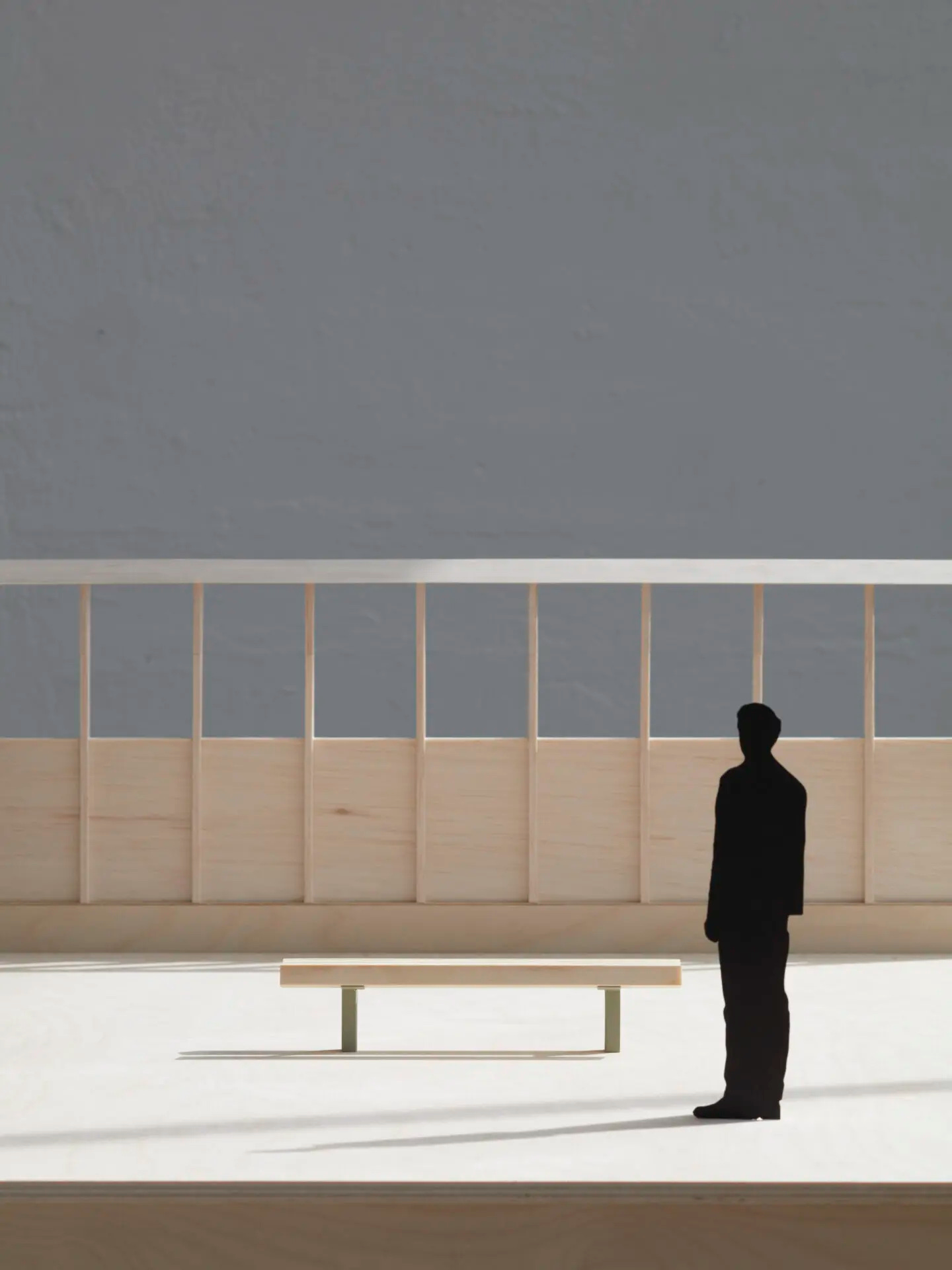
Another scenario is when you’re hired specifically for your style. Some designers are less about problem-solving and more about recognisability. In that case, staying loyal to your motto is exactly what’s expected.
But this works only when your style is clearly visible.
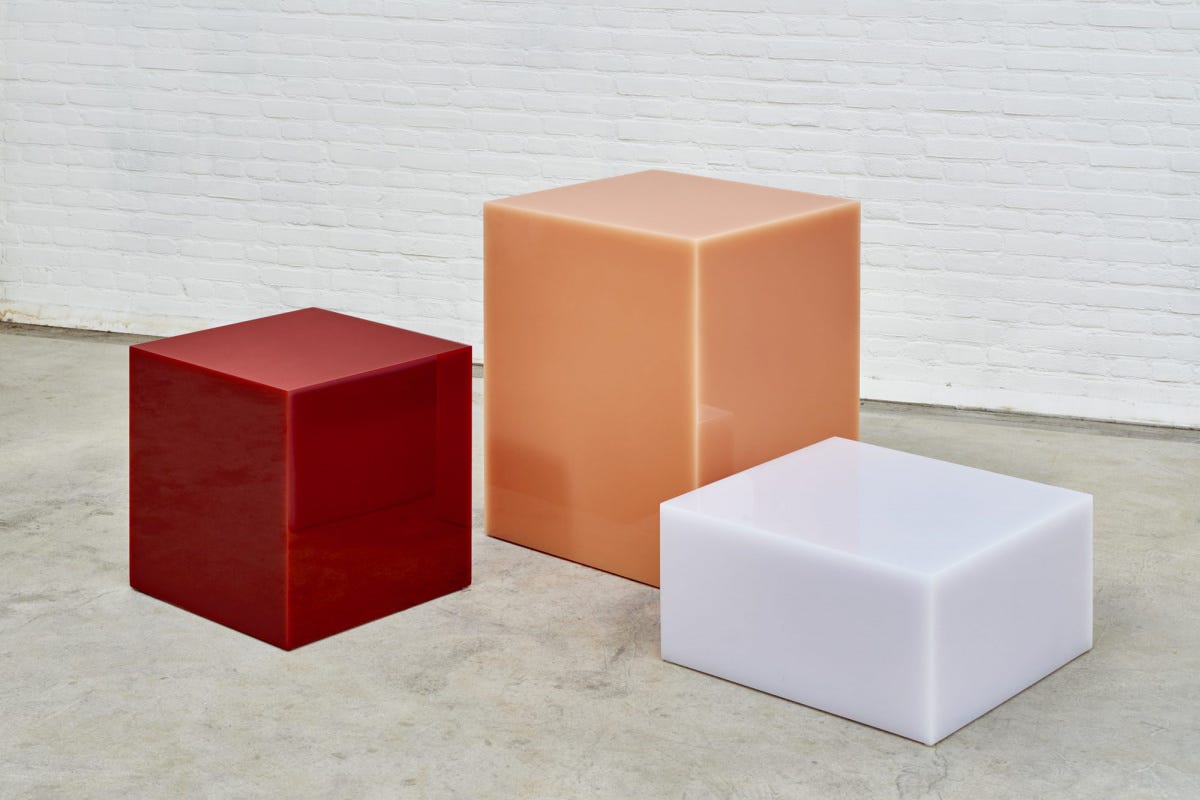
If your style is invisible, the first clarification must happen with yourself.
A few years ago, I presented a table lamp concept that I thought would sell very well. The client agreed, but said:
“This is not what I expected from you. You usually master simple gestures, this is too complicated.”
He was right. I was following the market instead of my method.
My mistake.
There are no written rules here. But understanding why you were asked to design something is fundamental to finding the right balance and keeping the process fluent.
Why experience changes the conversation
This is the most delicate phase and where the real difference shows.
Designers who succeed are often those who learn how to manage this part of the process.
Working inside a company before starting a studio or freelancing is fundamental. Not only to learn how to design, but how to present design.
I remember an interview with Luca Nichetto where he explained that one of the most important experiences of his early career at Salviati was observing how top designers - people like Tom Dixon - explained their concepts internally, and how decisions were made about whether to proceed or stop.
Today, Nichetto’s work is everywhere. And for those who say “there’s nothing special about it”, that’s simply wrong.
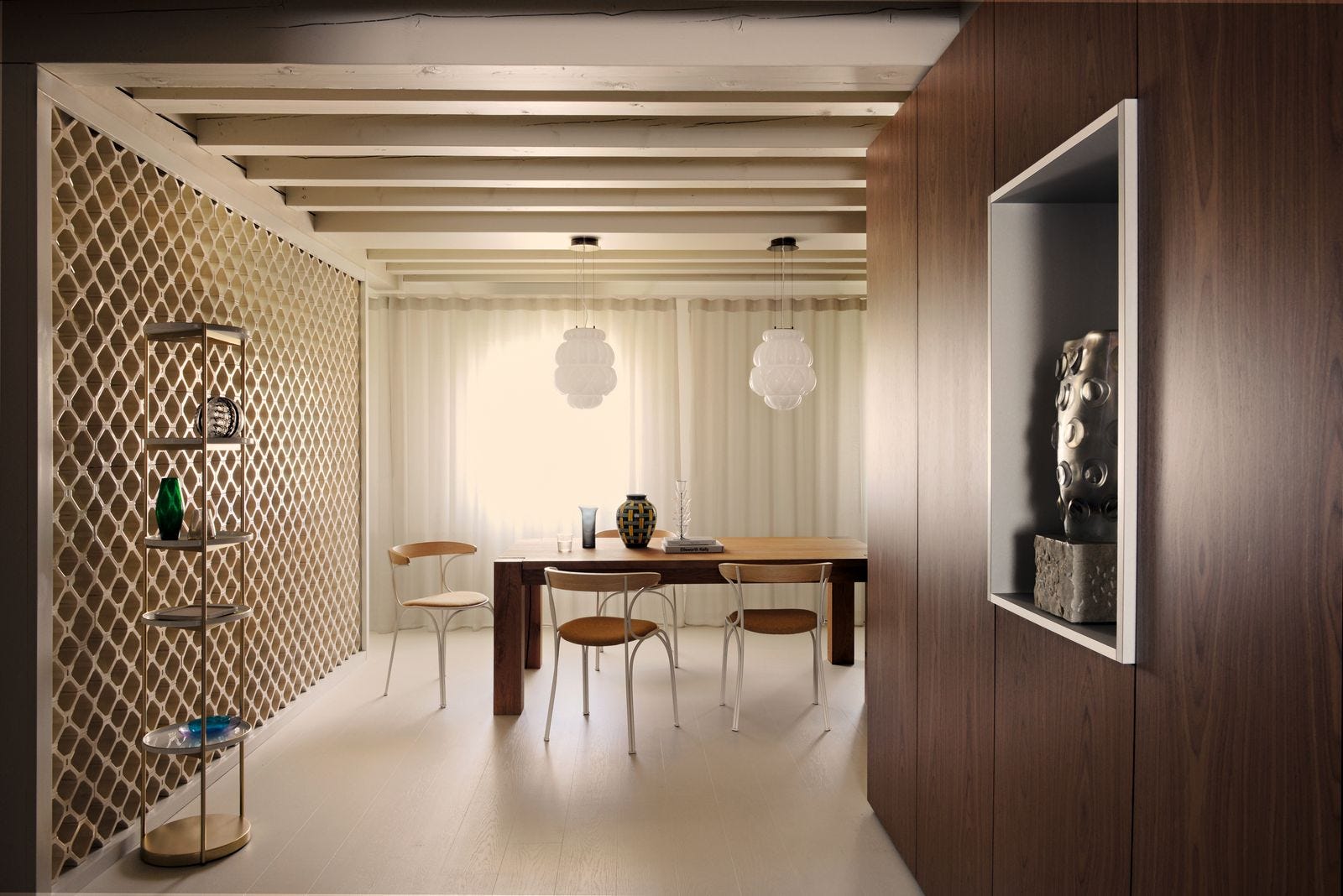
Beyond the quality of the projects themselves, his system is one of the most effective in contemporary furniture, lighting, and decoration. And he didn’t come from privilege.
Chapeau.
After the project is done
This is the phase most of us feel comfortable with, because it’s what we see every day: magazines, blogs, social media.
We often think that good images and a standard text are enough to get published, because we see the same sofa everywhere.
What we tend to forget is that there’s an economy behind visibility. Much of what we see is the result of long-term PR work and financial agreements.
Is this bad? No. It’s a diffusion channel, and investment matters.
But the system is still fair.
You don’t need a massive structure to get attention, you need a good story.
Platforms survive on stories. Sharing yours is not a favour; it’s mutual interest.
In 2011, good images were often enough. Today, everyone produces beautiful images.
The story is where things collapse.
Another “beautiful wooden accessory that enhances your interior” won’t catch attention anymore, unless the story behind it is worth telling.
The Bouroullec brothers can post a single image and everyone reacts. But years ago, they built that trust by sharing sketches, failures, prototypes. Today, we love the result because we already love the process.
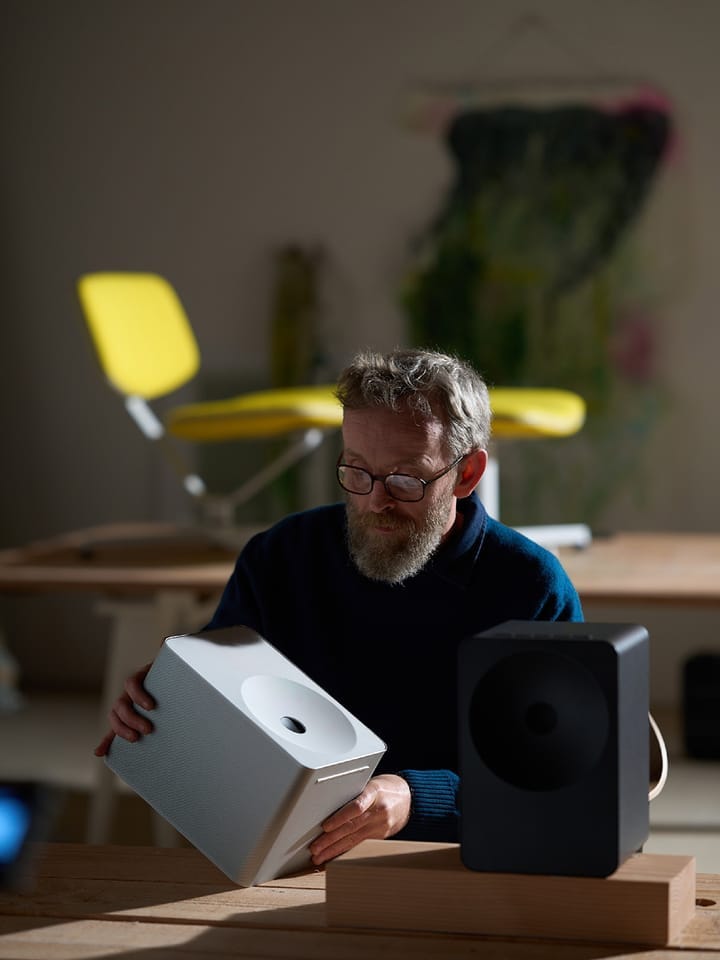
Visibility is not a level, it’s a strategy
There are many ways to communicate design today.
Designers who share behind the scenes are often the most engaging ones. Some are still considered “emerging”, but many of them will dominate in the future.
It’s easy to dismiss this as amateur behaviour. It’s not.
There are different levels of maturity.
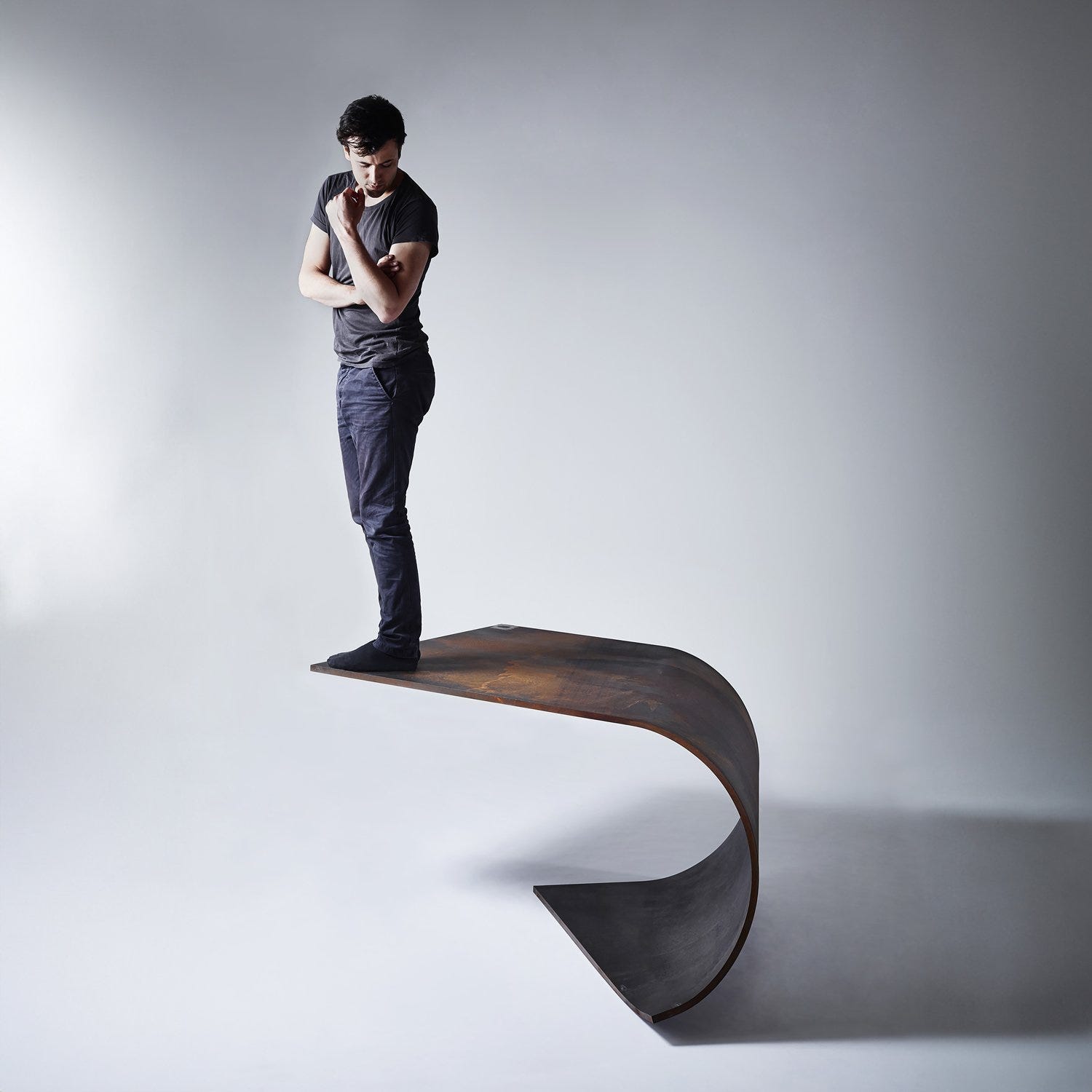
Paul Cocksedge
20 years of experience. One of the most talented designers working today. Installations, one-off pieces, deep conceptual work.
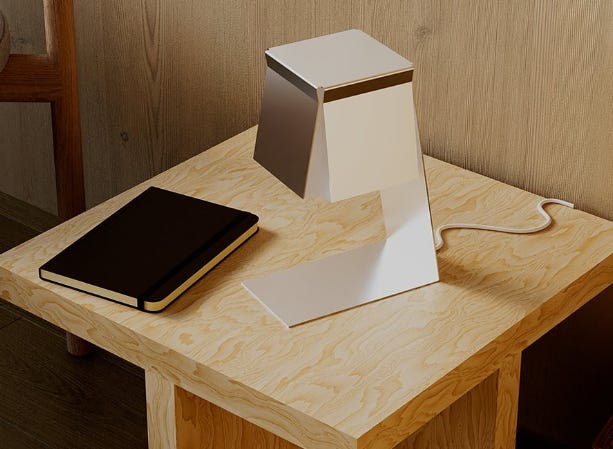
Nicholas Baker
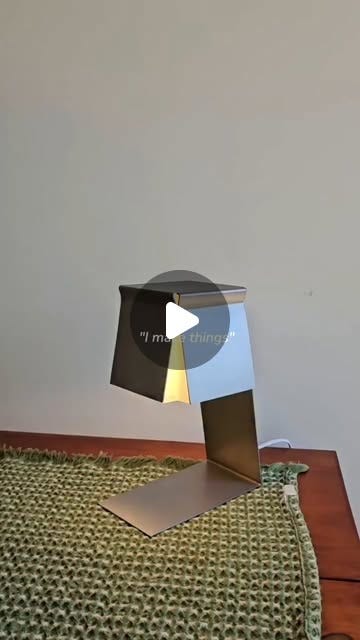
Once emerging. Thanks to a consistent online presence, he now collaborates with brands like Moooi and Gantri.

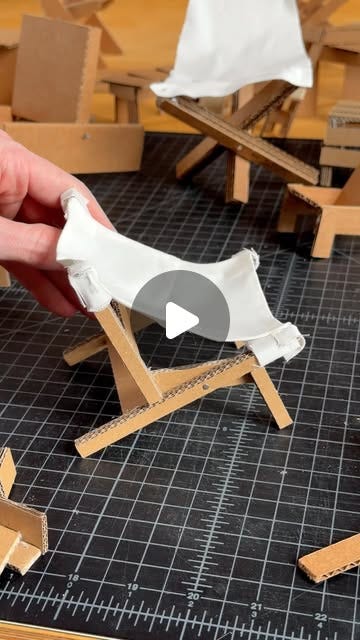
Lara Joy
At the beginning of her career. Not being perfect yet doesn’t mean you shouldn’t share. Progress itself is valuable, and meaningful collaborations often follow naturally.
I hope these thoughts help you smooth the angles when thinking about how to communicate a design project.
If you found this useful, leave a heart ♡ it’s the only fuel that keeps this newsletter alive.
If you want to share your opinion, the whole community benefits from an open discussion.
And if you know someone who might find this interesting, feel free to share.
Studio life
First of all, thanks to everyone who asked to receive my Finance Manager in beta.
I’ve already received some useful feedback and I’m working on making it fully functional, so you can really benefit from it in the coming months.
In the meantime, I’ve been quite silent online because I’m travelling and won’t be back before February. This obviously slows things down in terms of communication, but this year I decided to put more energy not only into LinkedIn, but also into Instagram.
2026 will be a year of trials to understand how Instagram can work for me in a sustainable way.
Until now I’ve mostly posted instinctively - new products, updates, small signals that the profile was alive. This year I want to experiment more consciously and try to build a clearer strategy there.
Any suggestions accepted.
Things to know
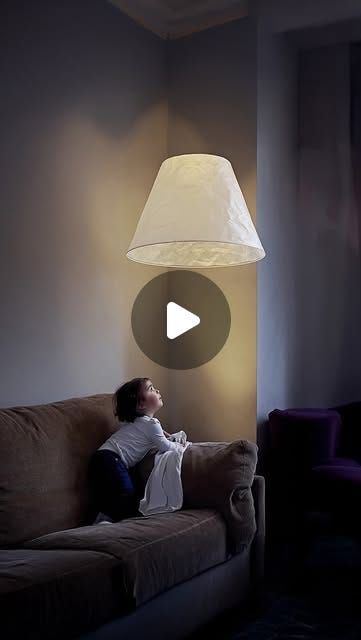
I mentioned three designers who, in my opinion, know very well how to communicate design on social media, each in a very different way.
I’ll leave their Instagram accounts here so you can follow them and get inspired:
A design I like
I mentioned Paul Cocksedge earlier, who was very influential for me in my early years.
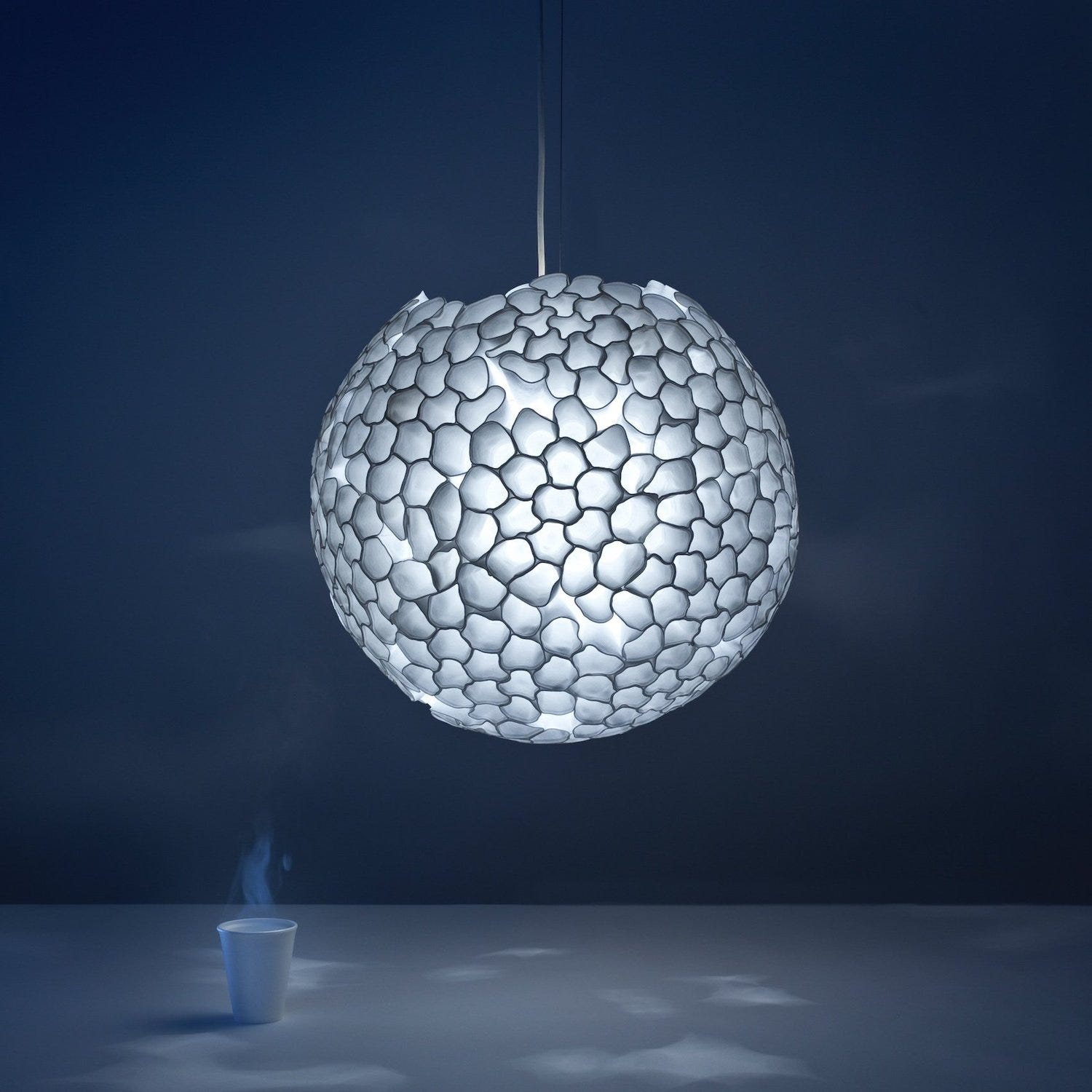
This project is Styrene, one of his first works. If I remember correctly, it was presented when he had just finished his studies at the RCA in London.
It’s a self-produced lamp made literally out of nothing: using polystyrene cups and a microwave, he created a suspension lamp.
Without knowing the process, you read it as an organic, refined shape. Once you understand how it’s made, you realise how DIY and experimental it actually is.
A very well-executed project, especially considering the moment of his career, no tooling power, no structure behind him yet.

Still today, it’s incredibly inspiring, especially for younger designers.
This newsletter is supported by:

Thanks for reading this newsletter, here 3 more articles you can have a look if you want to read more
If you want to:
collaborate as a brand
sponsor this newsletter
simply get in touch
Send an email to info@marioalessiani.com or send a message - don’t be shy, I reply to everyone.
More channels to keep in touch:
Linkedin: where I’m most active
Instagram: a window with my recent design works
Thanks again for being part of this community and in case you want to share this with someone…
If someone forwarded this to you…
Wish you a beautiful new year,
Mario
thanks for the shoutout Mario! Would also like to read/watch the interview you mention with Luca if it's online.