

Silent design switches
Design evolves over time, and with AI breathing down our necks, there are a few things I believe will change in this new current year.

Things change fast
I want to share with you some things I’ll be taking into consideration during the next year to improve my workflow and advise my clients better.
I don’t want to predict the future, but rather connect the dots for a more efficient design process. What I’m learning through observation is that many of us in the design world keep navigating the same old methods until change becomes irreversible - and sometimes it’s already too late. Reading what’s happening around us and trying to anticipate the next step, and then embracing it, is an exercise we should all practice.
Let’s have a look at a few key points to keep under the radar.
1. AI will free us from renderings
And I’m talking both as a designer and as a consumer.
I’ve never been a huge fan of renderings. In fact, on my website, when a company prefers renderings over real pictures, I usually do my own photoshoot to show the product in real life. Why? Because I want to show the outcome, not how it should be.
That said, everyone has different needs, so I’ve always respected brands’ choices to use digital images instead of real ones (and if you’ve ever prepared a proper set, you know how hard it is to create an environment for an object).
Now, with AI, producing digital images is becoming very, very easy, and we’ll soon be submerged by images created by professionals and amateurs alike. This will train our eyes very quickly to recognize what is generated by artificial intelligence and what is not - I’m sure many of you already can - and this will reward those who still choose to show images taken in real life.
This will probably work both for designers sharing ideas and for companies selling their products online.
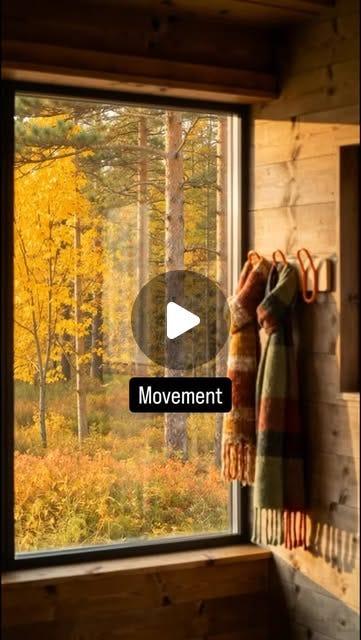
Have a look below at Mads Hindhede Svanegaard’s id-workflow with AI on his Instagram account, very interesting.
2. Direct selling of design products
Many have already taken this path, and this process is becoming irreversible.
Those few brands that are still playing the old distribution game are not realizing that their showroom is now online, and that those sales are mostly the tail of an older generation still attached to traditional ways of buying things. This shift doesn’t concern only final consumers, but also interior designers and architects.
Physical showrooms will increasingly become local services for consultancy and installations, while most products will be sold online. Millennials and younger generations are already buying this way, and this is influencing the profession: more and more products will be discovered and sold online.
This will also influence designers’ work. With the right narration, designers will probably become more competitive even compared to established design brands. If you’ve read my articles on Design Wanted, you’ve probably noticed how many designers are switching to an entrepreneurial path because they’ve started selling their products directly - and in many cases, it works much better than royalties.

3. Styling will lose against function
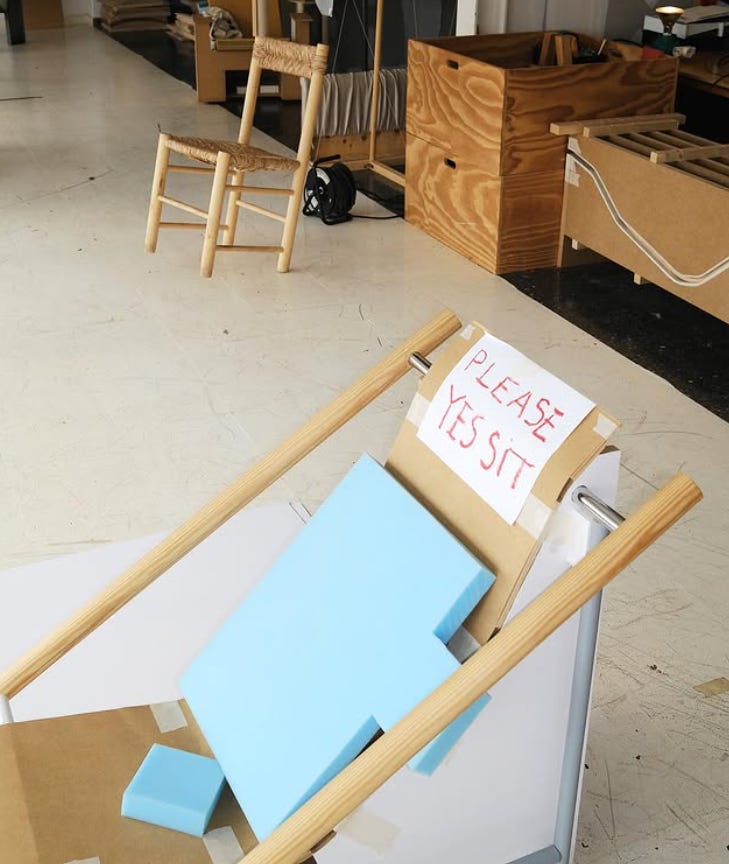
Maybe this will turn out to be just a trend and not a definitive shift, but the way products are promoted has gradually moved toward video - and video works very well with “how-to” content and work in progress.
Explaining how something works instead of how it looks is often easier, and people have become more accustomed to watching things being done rather than imagining them. Showing the construction process is therefore more engaging than simply showing the final look in this era.
Products that honestly show how they are made - and people who focus on communicating the construction - will probably have an advantage.
This already affected pictures in the past, Bouroullec docet.
4. Icons are getting stronger
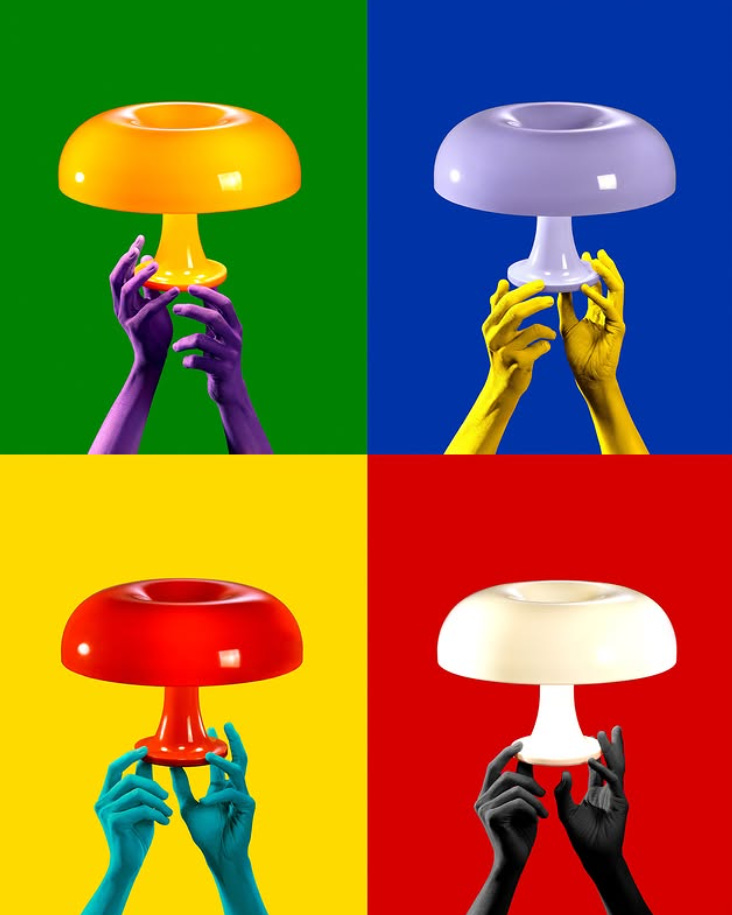
For many reasons, very few brands have invested in creating new icons - and designers are producing fewer and fewer icons as well, partly due to a general flattening of style (I discussed this previously).
As a result, established brands are investing more and more in existing design icons. Artemide acquiring Danese (the owner of Falkland by Bruno Munari) should already say something. These pieces are everywhere. Influencers often struggle to find new topics and keep going back to icons to create content. This has reopened the opportunity to relaunch icons once again, and we are being flooded by them.
This will probably increase the distance between creatives and brands, with companies investing more in fast products that last three to four years, while icons become even stronger and more dominant.
This is not a critique, just a reality check.
5. Designer are becoming less relevant
We are seeing new product giants reshaping the market. They have built systems where individual design signatures matter less and products have shorter lifespans. As a result, the search for new icons is slowing down, and research is shifting away from designers who sign projects toward those who can enter and manage complex systems made of design shops, web promotion, and advertising.
The traditional cycle - development, fairs, distribution - won’t work anymore for most players, and this is exactly where the design signature used to matter the most.
As a consequence, designers with strong communication skills will increasingly co-brand with companies (recent IKEA collaborations are a clear example), while designers with strong system-management abilities will probably move toward consultancy services instead.
So first of all, no panic and embrace the change. I’m not Nostradamus; this is just a short analysis, and I’m curious to know what you think.
If you found this interesting and it made you reflect more on the design world, leave a heart ♥ at the end of the article and let me know your thoughts in the comments. Am I right or not? Did I miss something relevant? Let’s use the comments to ignite a constructive discussion.
Designer From Nowhere exists thanks to those who read, support, and share it. Show it to someone who might be interested - the more we are, the more aware we become of a system that needs community and a broader exchange of ideas.
Studio Life
I’ve been on winter holidays, so nothing to report 🙂
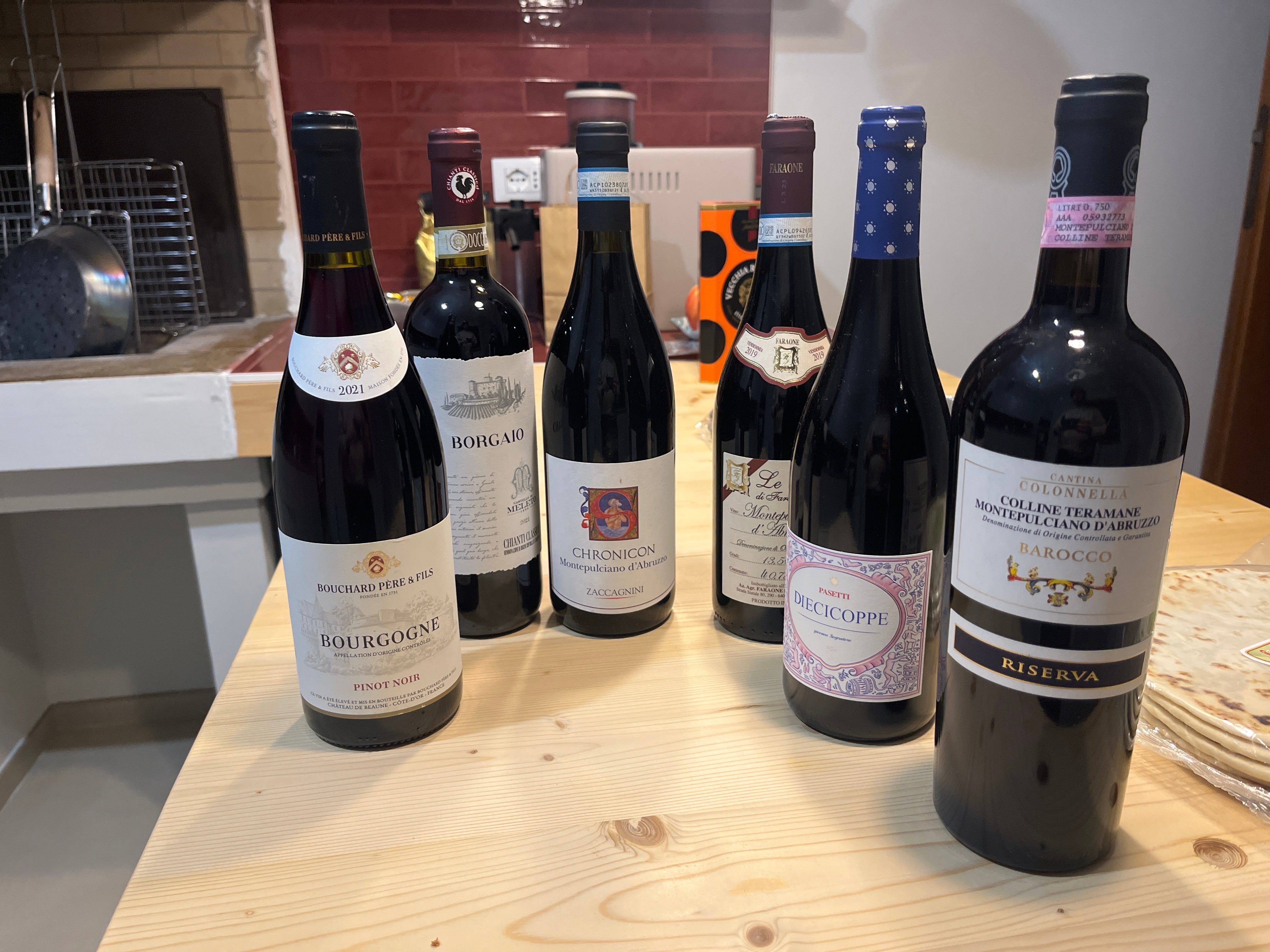
The most challenging thing I’m doing these days is choosing the best wine for dinner.
Things to Know
I’d like to suggest a few videos by Oren John. They’re a great source of inspiration when planning 2026 in a more conscious way, and they’re useful for both designers and business owners.
A design I like
We talked about icons, so I want to share one that is not officially an icon yet (maybe it’s too young?), but has been so successful that, in a few years, it will probably be considered one.
The Flamingo lamp by Vibia, designed in 2017, is everywhere - both in its original version and in countless copies.
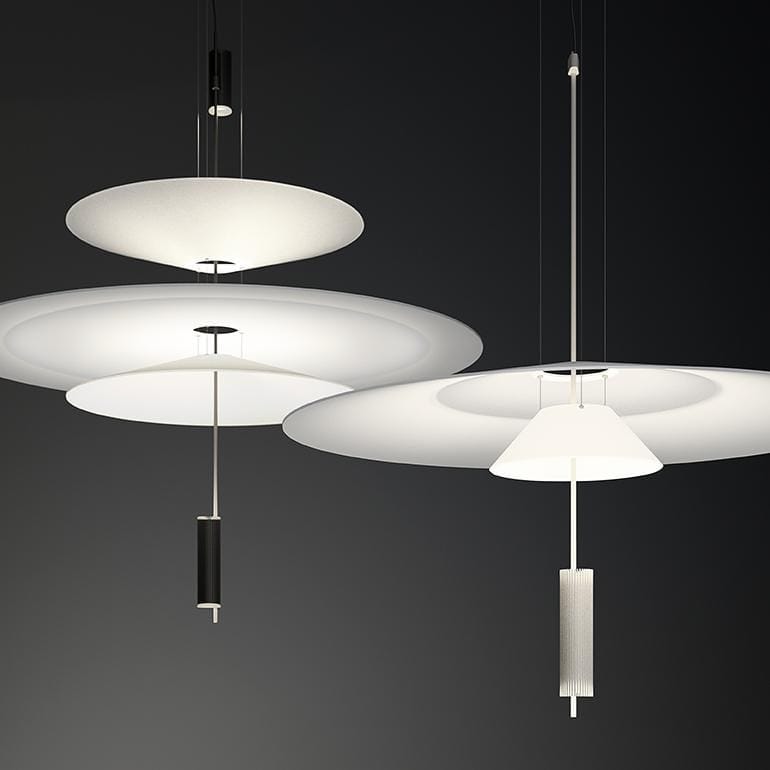
It’s one of the first examples of an LED lamp that truly gave value to indirect light. It creates a beautiful atmosphere both on the table and in the room, and it’s absolutely recognizable despite its modular nature.
So successful that it has been widely imitated and copied. If you’re curious, you can also find a short design course by its designer, Antoni Arola, on Domestika.
This newsletter is supported by:

Thanks for reading this newsletter, here 3 more articles you can have a look if you want to read more
If you want to:
collaborate as a brand
sponsor this newsletter
simply get in touch
Send an email to info@marioalessiani.com or send a message - don’t be shy, I reply to everyone.
More channels to keep in touch:
Linkedin: where I’m most active
Instagram: a window with my recent design works
Thanks again for being part of this community and in case you want to share this with someone…
If someone forwarded this to you…
Wish you a beautiful new year,
Mario
Another great post with some interesting takes for 2026 :)
Designers evolving into entrepreneurs is a positive move in my book. Having more of a business understanding helps to shape key decisions (as long as this doesn't overly throttle early ideation).
Really enjoy seeing different perspectives through long format posts like this too. I would counter your post around functionality winning over styling as a result of the shift to video. Video is a powerful tool for storytelling and with trends leaning towards reintroducing Maximalism as a means of escapism, I can see plenty of space for emotive content promoting aspirational lifestyles through products moving forward.
keep up the good work and looking forward to seeing your work across 2026!
I graduated with an industrial design undergrad degree last May and I felt some of your predictions in my bones. I made the decision for myself that I would not pursue a product design career in the industry (because of a long list of reasons) and I opted instead to start developing my own designs into products to sell under my own brand. This entrepreneurial/craftsperson pathway was encouraged by some professors, cautioned against by others, and completely ignored by my degree curriculum, so I have a lot to figure out on my own to get to the point where I am finally selling my own creations. And yet, I know I did the right thing for myself by choosing to go this way. I feel encouraged by your prediction that more designers are going on to be entrepreneurs.